Looking to achieve breakthrough growth, expand your market, and strengthen your competitive position? Mergers and acquisitions (M&A) are the solutions that can help you reach those goals quickly and effectively. Are you seeking a trusted partner on your M&A journey to minimize risks, optimize outcomes, and build a strong future?
Explore the transaction stages and our related service packages below:
(See detailed services for both buyers and sellers)
Details of Implementation Steps
At this stage, we support the buyer in developing an appropriate M&A strategy, identifying target enterprises and planning the approach, thereby ensuring that the transaction is feasible and effective.
Deliverables of this stage:
M&A Strategy Report - Market analysis, identification of objectives and transaction execution methods.
Target Enterprise Selection Criteria - A list of financial, operational and strategic criteria for screening suitable enterprises.
Below are the details of the implementation steps:
Clearly defining objectives helps guide the entire process, reduce risks, enhance transparency and ensure that all activities are aligned towards a common goal, thereby improving the effectiveness of the transaction. The buyer's M&A objectives may include:
Financial objectives: Increase revenue, profit and share value.
Strategic objectives: Expand the market, diversify products, strengthen competitiveness and eliminate competitors.
Operational objectives: Optimise production processes, reduce costs and improve operational efficiency.
Defining target selection criteria acts as a screening framework that helps the enterprise identify and select the most suitable potential enterprises. Target selection criteria may be based on factors such as strategy, financial capability, operational capability, corporate culture and legal matters, etc.
An M&A strategy serves as a detailed roadmap, including defining objectives, selecting acquisition targets, financial planning, risk assessment and developing an integration plan, with the aim of ensuring the success of the transaction.
Details of Implementation Steps
At this stage, we collect market data to analyse the business environment, industry and competitors, thereby identifying risks and opportunities and searching for potential targets.
Deliverables of this stage:
Market Research Report - An overview of the industry, M&A trends and potential investment opportunities.
Preliminary List of Target Enterprises - A compilation of enterprises meeting the established criteria, together with an initial assessment of financial, operational and legal matters.
Below are the details of the implementation steps:
Market research helps the buyer identify the industry, competitors and market trends, thereby shaping M&A objectives, assessing risks and negotiating an appropriate price, increasing the likelihood of a successful transaction.
Sources of information for identifying potential companies may include industry reports, enterprise databases, media channels, business networks, M&A advisory firms and brokerage firms, etc.
Screen the list of potential companies against the objectives and established criteria.
Details of Implementation Steps
This stage plays an important role in determining the feasibility of the transaction. We support the buyer in approaching the target enterprise, conducting a preliminary assessment of transaction feasibility, preparing and sending a Letter of Intent (LOI), and conducting preliminary negotiations to agree on key terms before proceeding to detailed due diligence.
Deliverables of this stage:
Preliminary Target Enterprise Assessment Report - A summary of initial financial, operational and legal information.
Preliminary Negotiation Results Report - A record of preliminary agreements and matters requiring further consideration.
Below are the details of the implementation steps:
Approach target companies and collect basic information to conduct a preliminary analysis of the financial position, strategy and operations of potential companies. Based on this, assess the feasibility and potential of the transaction, including growth potential, competitive advantages and post-acquisition integration capability, etc.
The acquisition proposal letter (LOI) should clearly state the objectives, reasons for interest and proposed next steps.
Preliminary negotiations are intended to assess compatibility and build the relationship. Key activities during the preliminary negotiation stage include:
Preliminary information exchange: Both parties exchange basic information about their enterprises, such as scale, business activities and business performance.
Discussion of objectives: Each party shares its objectives for the transaction.
Discussion of transaction structure: The buyer proposes potential acquisition structures, such as a full acquisition, partial acquisition or business cooperation.
Discussion of preliminary terms: Both parties discuss certain preliminary contractual terms, such as the transaction completion timeline and payment terms.
Sign a Non-Disclosure Agreement (NDA) to ensure the confidentiality of information throughout the transaction process.
Details of Implementation Steps
This stage is particularly important in helping the buyer accurately assess the value of the target enterprise and identify potential risks before deciding to proceed with the transaction. We support comprehensive financial, legal, operational and commercial due diligence of the target enterprise, while determining its fair value using appropriate valuation methods. The results of this stage provide the buyer with a basis for negotiating an optimal price and transaction terms.
Deliverables of this stage:
Due Diligence Report - A detailed assessment of financial, legal, operational and commercial matters to identify risks and opportunities.
Business Valuation Report - Determination of the fair value of the target enterprise based on appropriate valuation methods.
Below are the details of the implementation steps:
Due diligence on the target enterprise is the process of verifying information and assessing the actual value, risks and potential of the enterprise before deciding on an acquisition. Due diligence areas include financial, legal, operational, technology and environmental matters, etc. This is a complex process requiring the involvement of professionals from various disciplines.
This process typically combines different valuation methods to determine fair value and the optimal transaction approach. Valuation methods include the market comparison approach, discounted cash flow method, asset-based approach and income approach.
Details of Implementation Steps
At this stage, we support the buyer in clarifying and negotiating contractual terms, including the purchase price, payment method, responsibilities of the parties, representations and warranties, dispute resolution provisions and post-transaction commitments, etc. The negotiation process typically involves multiple rounds to achieve the most favourable agreement while maintaining long-term cooperation.
Details of Implementation Steps
This stage completes the M&A transaction and ensures that the negotiated agreements are implemented in accordance with applicable regulations. We support the buyer in signing the transaction documents, making payment, registering legal changes and disclosing the transaction as required. Proper implementation of this stage helps ensure legal compliance and a smooth transfer of ownership.
Deliverables of this stage:
Transaction Agreement - The formal document confirming the terms of the sale, purchase and transfer.
Payment Completion Documents - Documents confirming payment and the transfer of rights and interests.
Transaction Registration & Notification Documents - Legal documents for registering changes in ownership and disclosing the transaction in accordance with regulations.
Below are the details of the implementation steps:
Draft and execute the legal documents required for the transaction, including sale and purchase agreements, shareholders' agreements and related documents.
Make payment in accordance with the agreed terms.
Complete registration with the competent authorities where required and publicly announce the transaction through the media.
Details of Implementation Steps
This stage aims to ensure that the post-merger enterprise operates effectively and achieves the established objectives. We support the buyer in developing a detailed integration plan, implementing the integration of finance, human resources, operations and technology, and monitoring and evaluating progress to make timely strategic adjustments and optimise transaction value.
Deliverables of this stage:
Post-M&A Integration Plan - Strategic direction and roadmap for enterprise integration.
Integration Implementation Report - A summary of implementation results and changes in organisation, operations and finance.
Monitoring & Evaluation Report - Assessment of integration effectiveness and recommended adjustments to optimise the benefits of the transaction.
Below are the details of the implementation steps:
Integration planning is the process of developing a detailed roadmap to combine two enterprises into a unified entity, with the aim of maximising value and overcoming challenges during the transition. Key elements of the integration plan include:
Define the vision and objectives: Clearly define the vision and objectives of the merger.
Analyse the current situation: Conduct a detailed assessment of both enterprises in areas such as finance, operations, human resources and technology, etc.
Develop a new organisational structure: Design an appropriate organisational structure with clearly defined responsibilities and authority.
Develop a human resources plan: Prepare a human resources management plan covering workforce integration, training, development and talent retention.
Develop a systems integration plan: Integrate the information technology, finance and accounting systems, etc. of the two enterprises.
Develop a communication plan: Prepare internal and external communication plans to announce the merger and minimise uncertainty among employees and customers.
Define performance indicators: Establish indicators to measure the progress and effectiveness of the integration process.
Implement the plan: Carry out activities in accordance with the established plan, including:
Systems integration: Combine the information technology, finance and accounting systems, etc. of the two enterprises.
Workforce integration: Develop a new organisational structure, define job positions, and train and develop personnel.
Process integration: Standardise work processes and eliminate duplicated and inefficient processes.
Develop a new corporate culture: Create a unified and strong corporate culture that encourages collaboration and innovation.
Regularly assess implementation progress, compare actual results with the established plan and adjust the plan where necessary.
Details of Implementation Steps
At this stage, we support the enterprise in assessing its current position, identifying optimal exit options and planning the approach to investors, thereby ensuring a smooth transaction and maximising enterprise value.
Deliverables of this stage:
M&A Strategy Report - Market analysis, identification of objectives and transaction execution methods.
Target Enterprise Selection Criteria - A list of financial, operational and strategic criteria for screening suitable enterprises.
Below are the details of the implementation steps:
Clearly defining objectives helps guide the entire process, reduce risks, enhance transparency and ensure that all activities are aligned towards a common goal, thereby improving the effectiveness of the transaction. The seller's M&A objectives may include:
Financial objectives: Maximise value and recover invested capital, etc.
Strategic objectives: Identify strategic partners, exit the market or change the business plan, etc.
Operational objectives: Protect brand reputation, etc.
Defining target selection criteria acts as a screening framework that helps the enterprise identify and select the most suitable potential enterprises. Target selection criteria may be based on factors such as strategy, financial capability, operational capability, corporate culture and legal matters, etc.
The seller should develop an M&A strategy to maximise value, including enterprise assessment, objective setting, selection of the M&A structure, preparation of the enterprise profile, marketing, negotiation and transaction execution to achieve the highest value and ensure the satisfaction of both parties.
Details of Implementation Steps
This stage helps the seller approach the right potential investors and maximise transaction value. We support the preparation of enterprise introduction materials, conduct market research to identify suitable investor groups, and develop a list of potential partners for approach and negotiation.
Deliverables of this stage:
Enterprise Information Materials (Teaser & IM) - Materials providing both overview and detailed information to attract investors.
Market Research Report - Analysis of trends, enterprise positioning and assessment of transaction potential.
List of Potential Investors - A compilation of partners that meet the established criteria.
Below are the details of the implementation steps:
Preparing transparent and detailed documentation helps build investor confidence and provides an important foundation for long-term cooperation. Documents typically required include:
Financial statements: Including the income statement, cash flow statement and balance sheet.
Legal documents: Business licences, contracts and asset ownership documents, etc.
Business plan: Presenting the enterprise's future development strategy.
Assessment report: Assessment of the enterprise's operating performance and competitiveness.
Market information: Analysis of the market in which the enterprise operates.
Through market research, the seller can accurately assess enterprise value, identify potential target groups and identify investors that are aligned with its development strategy.
Sources of information for identifying potential companies may include industry reports, enterprise databases, media channels, business networks, M&A advisory firms and brokerage firms, etc.
Screen the list of potential companies against the objectives and established criteria.
Details of Implementation Steps
This stage focuses on connecting with potential investors and assessing their level of interest. We support the preparation of proposal letters, presentation of the investment opportunity, collection of investor feedback and preliminary negotiations to identify the most suitable partner for the transaction.
Deliverables of this stage:
Investor Feedback Assessment Report - A summary of the level of interest and potential of the partners.
Preliminary Negotiation Memorandum - A record of the key terms discussed during the initial stage.
Below are the details of the implementation steps:
The introductory letter should clearly express interest and the desire to discuss potential cooperation, while highlighting the benefits that investors may gain from the transaction.
Preliminary negotiations are intended to assess compatibility and build the relationship. Key activities during the preliminary negotiation stage include:
Preliminary information exchange: Both parties exchange basic information about their enterprises, such as scale, business activities and business performance.
Discussion of objectives: Each party shares its objectives for the transaction.
Discussion of transaction structure: Sale structures such as a full sale, partial sale or business cooperation.
Discussion of preliminary terms: Both parties discuss certain preliminary contractual terms, such as the transaction completion timeline and payment terms.
Sign a Non-Disclosure Agreement (NDA) to ensure the confidentiality of information throughout the transaction process.
Details of Implementation Steps
Support the enterprise in providing and clarifying information required for the due diligence and valuation process.
Details of Implementation Steps
At this stage, we support the seller in clarifying and negotiating contractual terms, including the sale price, payment method, responsibilities of the parties, representations and warranties, dispute resolution provisions and post-transaction commitments, etc. The negotiation process typically involves multiple rounds to achieve the most favourable agreement while maintaining long-term cooperation.
Details of Implementation Steps
This stage completes the transaction and ensures that the transfer is carried out in accordance with the agreed terms and legal requirements. We support the seller in signing the agreements, transferring assets, completing procedures for registering changes in ownership and notifying the transaction as required.
Deliverables of this stage:
Transfer Agreement - The formal legal document confirming the sale and purchase of the enterprise.
Asset Handover Documents - Documents recording the transfer of ownership, assets and related obligations.
Transaction Registration & Notification Documents - Legal documents for updating changes in ownership and disclosing the transaction.
Below are the details of the implementation steps:
Draft and execute the legal documents required for the transaction, including sale and purchase agreements, shareholders' agreements and related documents.
Transfer ownership of shares and assets in accordance with the agreement.
Complete registration with the competent authorities where required and publicly announce the transaction through the media.
Details of Implementation Steps
Provide the necessary support to the buyer during the enterprise transfer and integration process.
Transfer ownership of shares and assets in accordance with the agreement.
Complete registration with the competent authorities where required and publicly announce the transaction through the media.
Services by us and partners
Business Restructuring Advisory
Support enterprises in optimising their financial and operational structures, assessing and adjusting development, financial and governance strategies, thereby preparing for acquisition and integration.
Brokerage Services
Support enterprises in connecting with potential M&A targets, assessing and screening suitable partners, and advising on engagement and negotiation strategies, thereby accelerating transaction completion, optimising negotiation terms and increasing opportunities for successful cooperation in M&A transactions.
Due Diligence & Valuation
Support enterprises in accurately assessing the value of M&A targets and conducting due diligence on financial, legal and operational aspects, thereby enabling informed acquisition decisions.
Legal Advisory
Support enterprises in assessing and ensuring compliance with legal requirements in M&A transactions, advising on contractual terms, analysing legal risks and negotiating contractual conditions.
Post-Merger Integration
Support enterprises in developing and implementing integration plans, ensuring the effective integration of operations, processes and corporate cultures. This service helps optimise resources, improve operational efficiency and enhance enterprise value, thereby increasing the prospects of long-term success following an M&A transaction
Business Restructuring Advisory
Support enterprises in preparing for a sale or merger, assessing and improving their financial, operational and governance structures, thereby enhancing enterprise value and increasing attractiveness to investors.
Brokerage Services
Support enterprises in connecting with potential investors, assessing and screening suitable partners, and advising on engagement and negotiation strategies, thereby optimising the sale value of the enterprise, accelerating the transaction process and increasing opportunities for successful cooperation in M&A transactions.
Legal Advisory
Support enterprises in assessing and ensuring compliance with legal requirements in business sale transactions, advising on contractual terms, addressing potential legal issues and negotiating contractual conditions.
Frequently asked questions
1. What is M&A? What’s the difference between a merger and an acquisition?
M&A (Mergers & Acquisitions) refers to the process of buying, selling, or combining businesses to create economic value, expand operational scale, or strengthen competitive positioning in the market.
Merger: The process where two or more companies combine to form a single entity.
Acquisition: The process where one company purchases shares or assets of another company to gain control and ownership.
2. What is due diligence? Why is it important in an M&A transaction?
Due diligence in an M&A transaction is the comprehensive and objective evaluation of a company, asset, or project before making an investment or acquisition decision. It involves collecting, analyzing, and assessing relevant information to provide a clear and full picture of the current situation and future potential.
Why is due diligence important?
Accurate valuation: Helps determine the true value of the company or asset, avoiding overpaying or underselling.
Risk identification: Uncovers potential risks (legal, financial, environmental, etc.) that could impact post-M&A operations, allowing for preventive measures.
Informed decision-making: Provides accurate, complete information for investors to make sound decisions aligned with their goals and strategy.
Effective negotiation: Supplies a factual basis for fair, efficient negotiations to reach mutually beneficial agreements.
Dispute reduction: A professional, objective due diligence process helps minimize potential legal disputes after closing the deal.
3. What types of due diligence are involved in M&A transactions?
In M&A, various types of due diligence are conducted to assess the target company and ensure the buyer gains a comprehensive understanding of its condition and value. Key types include:
Financial Due Diligence: Evaluates financial statements, cash flow, assets, liabilities, and financial performance; confirms the accuracy and completeness of financial data to assess profitability and financial risks.
Legal Due Diligence: Reviews legal documents, contracts, licenses, and asset ownership; assesses legal risks, potential disputes, and regulatory compliance.
Operational Due Diligence: Examines operational processes, production systems, supply chains, and performance; identifies improvement opportunities and daily operational risks.
Commercial Due Diligence: Analyzes the market, competitors, and the company’s industry position; assesses growth potential and business strategy.
Technology Due Diligence: Evaluates IT systems, software, and intellectual property; assesses the feasibility and modernization level of the company’s technology assets.
Human Resources Due Diligence: Reviews organizational structure, HR management processes, compensation and benefits policies; evaluates company culture and employee retention post-M&A.
Environmental Due Diligence: Assesses environmental compliance, pollution risks, and legal liabilities; reviews relevant environmental protection documents and prior assessments.
These due diligence types help the buyer gain a holistic view of the target business, enabling precise decision-making and maximizing the value of the M&A transaction.
4. What are the benefits and risks of M&A activities?
The benefits: M&A (Mergers & Acquisitions) is a key strategic management tool that enables companies to restructure, diversify, and grow. Through M&A, businesses can integrate assets, share risks, and create added value for shareholders. The synergy between merged or acquired companies generates economies of scale, optimizes resources, and enhances adaptability to market fluctuations. Additionally, M&A presents an opportunity for companies to build strong brands and become industry leaders.
The risks: M&A activities carry significant risks that businesses must carefully consider.
Financial risks are among the top concerns, including inaccurate valuation of the target company, which can lead to excessive debt burdens or asset losses.
Cultural differences between merging entities can result in internal conflicts, reduced productivity, and lowered employee morale.
Legal and regulatory risks must not be overlooked, as complex competition laws and regulations across markets require significant time and resource investment to navigate.
Post-merger integration risks can arise from challenges in merging IT systems, aligning operational processes, and managing human resources.
If not effectively managed, these risks can reduce business efficiency and hinder the achievement of the strategic goals of the M&A.
5. Why should a company use M&A advisory services?
Using M&A advisory services is a smart decision for companies seeking to optimize the merger or acquisition process.
M&A advisors bring extensive experience and specialized expertise, helping companies accurately assess the value and potential of acquisition targets, thus avoiding financial and legal pitfalls.
They conduct thorough due diligence, identify hidden issues, and propose practical solutions.
With broad networks and strong industry relationships, M&A advisors help companies effectively access and negotiate with potential partners.
They also support post-merger integration planning and execution, ensuring that systems, processes, and corporate cultures are smoothly and efficiently combined.
As a result, companies can maximize the opportunities M&A offers, while minimizing risks and optimizing the benefits of the transaction.
6. What should a company prepare before engaging in an M&A transaction?
Before undertaking an M&A deal, a company should carefully prepare several key steps to ensure a smooth process and achieve the desired results:
Define strategic objectives: Clarify the reasons and expected benefits of the transaction. This helps in selecting the right partners and accurately assessing the deal’s value.
Form a dedicated team: This team should include internal experts and external advisors such as lawyers, financial consultants, and investment banks to ensure sufficient experience and knowledge for negotiation and execution.
Conduct market and competitor research: Identify potential targets and assess your own competitive position.
Prepare financial resources: Ensure the company has the necessary funds to complete the transaction and operate post-M&A.
Prepare relevant documents and information: Including financial reports, legal records, and business plans — these materials help present the company professionally to partners and increase transparency.
Develop a post-M&A integration plan: A detailed integration plan helps comprehensively assess potential risks. Building different scenarios and response strategies allows the company to minimize risks and ensure long-term success.
In short, thorough preparation is a decisive factor for M&A success. By clearly defining goals, creating detailed plans, and comprehensively assessing risks, a company can enhance its chances of success and achieve its strategic business objectives.
Brand commitment
Crowe Vietnam is committed to building and delivering on its brand personality, with the goal of fostering trust and providing an exceptional experience throughout our journey with clients and partners.
High professional quality at a reasonable cost
Crowe Vietnam is committed to delivering high quality solutions and services at reasonable costs, ensuring an exceptional client experience. We consistently strive for differentiation and continuously enhance the professional capabilities of our team to best meet the evolving needs of our clients.
Professionalism
All our work is carried out meticulously and professionally, both in form and content. We maintain clear and detailed processes and guidelines to ensure efficient organization and execution. Work quality is always our top priority, strictly adhering to professional standards and best practices, while upholding the highest level of professional ethics.
Integrity and Kindness
Consistency between words and actions is a core principle at Crowe Vietnam. We are committed to delivering exactly what we declare or promise to our clients, partners, employees, and stakeholders. We uphold strong business ethics and always prioritize the common good, never compromising our commitments or harming others’ interests for personal gain.
Compliance
We are firmly committed to strict compliance with the law, and we absolutely refrain from any unlawful or fraudulent activities. We implement stringent and effective control measures to prevent and deter any misconduct, ensuring transparent operations and adherence to ethical standards.
Efficiency
We place a strong emphasis on efficiency and optimization in all our operations, aiming to achieve objectives using the most appropriate methods, timelines, and resources. We continuously improve our service delivery processes and actively apply technology including digitalization, artificial intelligence, and big data to enhance operational efficiency and deliver an exceptional client experience.
A portrait of our clients & business partners
We aspire to collaborate with clients and partners who are committed to:
Kindness
Being ethical towards clients, employees, and partners through honesty, transparency, and respect for the legitimate interests of all parties.
Legal Compliance
Adhering to all relevant business regulations, including licensing, accounting, taxation, mandatory insurance, labor, goods, and environmental requirements.
Sustainable Development
Balancing profitability with the long-term interests of the community. Building a brand founded on trust and respect from clients and society.
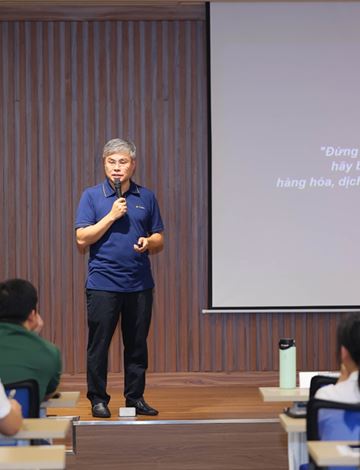
With the aim of delivering exceptional services to our clients, Crowe Vietnam regularly organizes in-person seminars and online webinars featuring insights from our experienced professionals and esteemed guest speakers.
Note: The seminar schedule below is subject to change.
International brand in Audit, Accounting, Tax, and Business Advisory
Top 9
Audit service provider for FDI enterprises in Vietnam
Top 15
Audit and Advisory service providers in Vietnam
18+
Years of operation (since 2008)
200+
Personnel (350+ including personnel of Crowe’s business associates in Vietnam)
4
Offices
1000+
Clients (1500+ including clients of Crowe’s business associates in Vietnam)
Crowe Vietnam Introduction Video
Why choose us for this service?
Choosing the right service partner is a key factor in ensuring both effectiveness and peace of mind. Here’s why Crowe Vietnam is the trusted choice for you.
International Brand
Crowe Vietnam is a full member of Crowe Global, a top 10 global network of audit, accounting, tax and advisory firms operating in 150 countries. Our international brand enables us to deliver high-quality services.
Assured Expertise
With a team of experienced professionals holding internationally and locally recognised qualifications such as ACCA, CPA, CTA, ICAEW,... Crowe Vietnam is committed to delivering services of outstanding professional quality.
Professional Services
Our clients regularly receive useful newsletters and publications, participate in professional seminars with experienced specialists, and access a range of modern, practical support tools developed and continuously enhanced by Crowe Vietnam.
Strict Confidentiality
Crowe Vietnam places the highest priority on confidentiality and compliance, applying rigorous control measures to protect client information and prevent data security risks, thereby ensuring maximum transparency and security.
Global Support
Through the Crowe Global network, we are always ready to help our clients access international professionals & seconded personnel, providing comprehensive support to address complex issues in global business.
Reasonable Fees
Crowe Vietnam delivers high-quality solutions at reasonable fees, helping clients optimise costs. By continuously improving operational efficiency, we help clients achieve maximum value within an appropriate budget.