Are you looking for a trusted advisory partner to help your organization build a strong corporate governance system, ensuring transparent, effective operations and compliance with legal regulations? Do you need a comprehensive solution to identify, assess, and control risks, enabling your business to proactively respond to market fluctuations? Or are you facing the challenge of balancing restructuring, value optimization, and increasingly strict legal requirements? At the same time, are you eager to strengthen your team’s capabilities through specialized training programs, equipping your staff with the mindset and skills to effectively manage risks and ensure compliance?
Explore our related service packages below:
General Description of the Service
In an increasingly complex and risk-prone business environment, a robust internal control system is essential to safeguarding assets, improving operational efficiency and ensuring compliance with legal requirements. Through our Internal Control System Assessment service, our team of specialists conducts a comprehensive and in-depth assessment of the enterprise’s internal control system, helping enterprises identify strengths and weaknesses and develop optimal solutions.
1. Methodology:
Our Internal Control System Assessment service is developed based on the requirements of the COSO Internal Control Framework and current legal regulations. We adhere to international standards and domestic guidance to ensure that the enterprise’s internal control system meets the highest standards of effectiveness, suitability and risk management capability. This methodology enables us to provide a comprehensive and objective view of the current state of the enterprise’s internal control system, forming the basis for appropriate improvement recommendations.
2. Approach:
To assess the internal control system, we apply a multi-dimensional approach, including:
Understanding the enterprise’s business model and value chain: We begin by thoroughly reviewing the enterprise’s organisational structure, key business processes and strategic objectives. This helps us understand the enterprise’s context and how it operates.
Conducting interviews and surveys: We interview senior management and middle management to obtain deeper insights into the existing internal control system, the enterprise’s specific challenges and needs. We also conduct surveys to assess employees’ awareness of and compliance with the components of the internal control system.
Collecting and analysing documentation: We collect and review key documents such as work procedures, manuals, previous audit reports and other relevant materials. This process helps us assess the completeness and effectiveness of the internal control system against COSO standards and legal requirements.
3. Deliverables:
Following the assessment, we provide a detailed Internal Control System Assessment Report, including:
Assessing the maturity of the internal control system: The report will determine the maturity level of the enterprise’s internal control system.
Identifying weaknesses and areas for improvement: The report will highlight weaknesses in the existing internal control system and areas requiring improvement to meet the requirements of the COSO framework or relevant legal requirements.
Providing recommendations and an improvement roadmap: Based on the assessment results, we provide specific recommendations and develop an improvement roadmap for the enterprise to strengthen internal control capabilities, enhance transparency and improve operational effectiveness.
Service Usage Context
Large Corporations and Multinational Companies: These enterprises need a robust internal control system to manage risks, comply with international regulations and optimise operational efficiency in a complex business environment. The assessment service helps identify gaps and improve control processes, supporting long-term strategic objectives.
Public and Listed Companies: These companies need to ensure transparency, comply with legal requirements and protect shareholders’ interests. This service helps them review and strengthen their internal control systems to manage risks effectively and maintain investor confidence.
Companies Preparing for an IPO: These companies need to strengthen their internal control systems to attract investors and meet legal requirements when preparing for listing. The service helps them improve and establish an effective internal control system.
Small and Medium-sized Enterprises (SMEs): SMEs need internal control solutions suited to their scale to support growth and minimise risks. This service helps improve their control systems, optimise processes and safeguard assets.
Process Description
Define the objectives and scope of the service.
Collect preliminary information from the client.
Conduct a preliminary assessment of risks and the current situation.
Develop an overall plan covering the timeline, resources and implementation methodology.
Agree on the plan with the client.
Interview relevant stakeholders and conduct on-site observations, if necessary.
Conduct surveys and collect detailed data.
Perform an in-depth assessment based on appropriate methodologies and standards.
Discuss preliminary findings, issues and solutions with the client.
Prepare a detailed report on the assessment results and findings.
Provide improvement recommendations and an implementation roadmap.
Present the report and discuss the results with the client.
Support the client in implementing the solutions, if applicable.
Service Timeline
This depends significantly on the scope of work, the client’s responsiveness and cooperation (including that of the client’s relevant stakeholders, such as suppliers, customers, lenders and investors).
In practice, we typically complete this service within 6 - 8 weeks in most cases. For urgent engagements, we may adopt special measures, such as allocating more resources than usual, flexibly adjusting the relevant processes and procedures, and requesting active cooperation from the client.
General Description of the Service
Crowe Vietnam’s Internal Control Review service provides clients with in-depth support in assessing and reviewing the effectiveness of controls within specific processes or activities of an enterprise. We apply a risk-based methodology, beginning with the identification of operational objectives and assessment of key risks, then reviewing existing controls, identifying control weaknesses and providing recommendations for improvement.
Our Approach:
Reviewing and assessing the current state of internal controls: We review business processes, control activities and related aspects against leading international practices. This helps determine their current effectiveness and identify potential risks that may affect the enterprise’s operational objectives.
Testing the effectiveness of control procedures: Our team of specialists tests the effectiveness of internal control measures within business operations to ensure that these measures are functioning as intended and are appropriate for risk management requirements.
Identifying weaknesses and recommending improvements: Through the assessment, we identify weaknesses and gaps in internal controls and recommend specific remedial measures to optimise controls, enhance risk management and improve operational effectiveness.
Supporting the implementation of necessary improvements: We go beyond providing recommendations by also supporting clients in implementing improvement solutions, helping ensure that internal controls are strengthened sustainably and effectively.
Service Deliverables
The primary deliverable of this service is the “Internal Control Review Results Report”, which provides detailed analysis of the effectiveness of each control reviewed. The report not only presents the findings but also provides practical recommendations and an improvement roadmap to help ensure that the enterprise’s internal controls operate optimally and align with its risk management and compliance strategies.
Service Usage Context
Listed Companies: These companies need to ensure transparency and strict compliance with corporate governance and legal requirements. Internal control reviews help ensure that controls are operating effectively and meet the requirements of the securities market and regulators.
Companies Undergoing Business Expansion: When expanding rapidly, companies need to review and adjust internal control measures to suit their new scale of operations. Internal Control Review services help these companies identify weaknesses promptly and develop appropriate improvement solutions.
Companies with Complex Business Operations and Control Systems: For companies with diverse and complex operations, reviewing individual internal control processes is necessary to ensure consistency and effectiveness in risk management. This service helps companies optimise internal controls and minimise risks.
Companies Preparing for Independent Audits: Before external audits, companies need to ensure that their internal control systems meet the relevant assessment standards. Conducting an internal control review in advance helps companies prepare with confidence and minimise the risk of errors being identified during the formal audit.
Process Description
At this stage, Crowe Vietnam will hold a kick-off meeting with the client to clearly define the objectives and approach and introduce the project team. We will gain an in-depth understanding of stakeholders’ vision and expectations, while clarifying the roles and responsibilities of each person involved in the activity or process under review. Discussions with key management personnel help us understand the company’s current structure and analyse process flows and activities. This information is collected through a review of documents such as existing policies, procedures and workflow descriptions.
Crowe Vietnam focuses on identifying specific types of risks within the process or activity under review, based on regulatory guidance and leading industry practices. We document the key risks that may have a material impact, providing a foundation for further analysis and assessment of the internal control system.
We identify and assess the controls currently applied within the process or activity under review. The assessment includes reviewing the design and operating effectiveness of existing controls. We compare them against relevant standards to assess the maturity of the process and consolidate our observations for validation with process owners.
We identify weaknesses and opportunities to improve the control system, while providing specific recommendations to optimise the effectiveness of internal controls. Once the recommendations have been confirmed and agreed with relevant stakeholders, we finalise the report and ensure that all information is accurate and aligned with the established objectives.
Service Timeline
This depends significantly on the scope of work, the client’s responsiveness and cooperation (including that of the client’s relevant stakeholders, such as suppliers, customers, lenders and investors).
In practice, we typically complete this service within 4 - 6 weeks in most cases. For urgent engagements, we may adopt special measures, such as allocating more resources than usual, flexibly adjusting the relevant processes and procedures, and requesting active cooperation from the client.
General Description of the Service
Crowe Vietnam’s Operational Process Improvement advisory service helps enterprises optimise internal processes, enhance effectiveness and increase productivity. Through streamlined and tailored solutions, we help enterprises eliminate bottlenecks, improve operational performance and ensure compliance with industry standards and legal requirements, thereby enabling them to achieve strategic objectives and sustainable growth.
Our Approach:
1. Preliminary Discussion and Objective Setting:
The advisory process begins with preliminary discussions to understand the client’s needs, strategic objectives and specific requirements.
Based on the information collected, we identify the required deliverables and outcomes and review relevant documentation.
2. Analysis and Improvement Planning:
Our team of specialists conducts a thorough analysis of existing processes, including identifying and assessing bottlenecks and factors limiting performance.
Based on the analysis results, we develop a detailed improvement plan and recommend process optimisation measures, including process reengineering, integration of new technologies and adjustments to the organisational structure, where necessary.
3. Implementation, Monitoring and Continuous Improvement:
Based on the agreed plan, we conduct in-depth assessments of existing control measures and workflows while implementing the proposed improvements.
This process includes continuous monitoring and evaluation of the effectiveness of changes, using key performance indicators (KPIs) and critical success factors (CSFs) to ensure that processes are appropriately adjusted to align with the enterprise’s strategic objectives.
The final report and review meetings provide an opportunity to discuss and validate the results and recommend next steps to ensure that improvements deliver maximum and sustainable benefits.
Service Benefits:
Through Crowe Vietnam’s Operational Process Improvement advisory service, enterprises can expect:
Improved Operational Effectiveness: Enhance productivity and optimise workflows.
Improved Regulatory Compliance: Ensure that business processes fully comply with legal requirements and industry standards.
Enhanced Overall Productivity: Improve the effectiveness of day-to-day operations and support long-term strategic objectives.
Sustainable Development: Establish a solid foundation for continuous and sustainable growth in a competitive business environment.
Service Usage Context
Multinational Corporations (MNCs): Multinational corporations need to standardise and optimise operational processes globally to ensure legal compliance and improve efficiency. Our advisory service helps them adjust processes, enhance transparency and optimise operational performance while meeting the complex requirements of individual local markets.
Listed Companies: Listed companies need to maintain transparency and comply with corporate governance regulations. Our process improvement service helps these companies effectively manage operations, optimise internal processes and strengthen the confidence of shareholders and investors in the market.
Small and Medium-sized Enterprises (SMEs): SMEs need to streamline operations to increase flexibility and respond quickly to market changes. Our service helps SMEs improve processes, reduce waste and optimise resource utilisation, thereby driving growth and enhancing competitiveness.
Technology Companies and Start-ups: Technology companies and start-ups need flexible processes that can adapt quickly to capture market opportunities and support innovation. Our service helps these companies optimise workflows, integrate new technologies and improve management effectiveness, thereby accelerating growth without disrupting core business operations.
Process Description
During the initial meeting, we discuss the project’s objectives and specific requirements in detail with the client. We also define the project scope, identify the resources required and establish the implementation schedule. This process includes discussions on specific challenges, potential risks and the client’s expectations, conducted through in-person, email, electronic or fax communication channels, depending on the client’s needs and arrangements.
Based on the information collected, we conduct a comprehensive analysis of the enterprise’s environment and existing processes. We then develop a detailed process improvement plan, focusing on defining improvement targets, specific implementation steps and appropriate resource allocation to ensure that the solutions are implemented effectively.
We begin implementing the improvement solutions based on the approved plan. This includes updating and optimising processes, adopting new technologies and strengthening staff capabilities. All activities are closely monitored to ensure compliance with standards and achievement of the established objectives.
After implementation, we conduct a comprehensive assessment of the effectiveness of the measures applied. This process includes collecting feedback from relevant stakeholders and evaluating actual results against the initial objectives. The information obtained will be used to make further adjustments and improvements, where necessary.
We prepare and provide a detailed project report, including achievements and recommendations for the future. This report serves as an important reference for the client to understand the improvements achieved and plan the next steps. We also provide ongoing support to help ensure that the new processes are applied effectively and sustainably.
Service Timeline
This depends significantly on the scope of work, the client’s responsiveness and cooperation (including that of the client’s relevant stakeholders, such as suppliers, customers, lenders and investors).
In practice, we typically complete this service within 4 - 6 weeks in most cases. For urgent engagements, we may adopt special measures, such as allocating more resources than usual, flexibly adjusting the relevant processes and procedures, and requesting active cooperation from the client.
General Description of the Service
At Crowe Vietnam, we provide comprehensive and in-depth Business Valuation Services to help enterprises understand their true value in a dynamic business environment. By combining rigorous financial analysis, extensive experience and market knowledge, we help clients make strategic decisions, maximise value and maintain a competitive advantage.
We apply three globally recognised valuation approaches to ensure objectivity and accuracy in each valuation engagement:
Discounted Cash Flow (DCF) Method: Determines the present value of an enterprise by discounting its projected future cash flows. This method is particularly useful for valuing enterprises with high growth potential and stable cash flows, and is suitable for M&A transactions and strategic planning.
Market Approach: Compares the enterprise’s value with similar transactions or listed companies in the same industry. This approach provides an objective and up-to-date view of enterprise value based on current market data.
Net Asset Value (NAV) Method: Values an enterprise based on the total value of its assets less its liabilities. It is suitable for companies with substantial tangible assets or where liquidation value needs to be determined. This method provides a solid basis for business valuation in bankruptcy or restructuring situations.
Service Usage Context
Mergers and Acquisitions: Enterprises involved in M&A transactions rely on valuation to determine fair market value, support negotiations and help ensure successful transactions.
Restructuring: Enterprises undergoing restructuring use valuation to assess assets and liabilities, guide recovery strategies and support negotiations with creditors.
Dispute Resolution and Litigation: Valuation supports enterprises in legal disputes by providing objective assessments required by courts or arbitration tribunals.
Strategic Planning: Enterprises use valuation information to make strategic decisions, assess investments and evaluate risks.
Process Description
We discuss and define the valuation objectives, review the relevant documentation and establish the timeline. At this stage, we also agree on the cooperation arrangements and support required from the client, and determine the most appropriate valuation strategy and methodology. This step may be conducted by email or through in-person meetings, depending on the client’s circumstances.
Based on the information and documentation provided by the client, we outline a detailed valuation plan, including the identification of key factors and risk assessment. We also determine the valuation methods to be applied, such as the Discounted Cash Flow (DCF) method, Net Asset Value method and Market Approach, to ensure accurate and objective valuation results.
Collect the necessary data from the client and market information sources to analyse the enterprise’s financial performance, cash flows and capital structure. These steps include interviewing management, analysing financial statements and conducting a detailed assessment of assets and liabilities.
We perform a fair valuation of the target company based on the selected methods and conduct sensitivity analysis on key assumptions. This process helps identify potential impacts on enterprise value arising from internal and external factors.
Upon completion of the valuation, we prepare a valuation report and present detailed findings and recommendations to the client. The report is then discussed and adjusted based on the client’s feedback before being finalised and issued.
Service Timeline
This depends significantly on the scope of work, the client’s responsiveness and cooperation (including that of the client’s relevant stakeholders, such as suppliers, customers, lenders and investors).
In practice, we typically complete this service within 4 - 6 weeks in most cases. For urgent engagements, we may adopt special measures, such as allocating more resources than usual, flexibly adjusting the relevant processes and procedures, and requesting active cooperation from the client.
General Description of the Service
We provide Internal Audit Function Establishment Services to help enterprises build an effective and independent internal audit function that complies with international standards. The service is tailored to each enterprise’s specific needs, helping optimise risk management, enhance operational effectiveness and ensure legal compliance.
Key Activities
Establishing the Internal Audit Governance Framework: We develop the operating model and organisational structure for the internal audit function, clearly defining roles, responsibilities and authorities to ensure independence and objectivity in audit activities.
Developing Operating Procedures and Guidelines: We develop standardised procedures, guidelines, tools and templates for use in internal audit activities to improve consistency and effectiveness throughout the audit process, while ensuring compliance with international standards and legal regulations.
Developing Reporting and Communication Mechanisms: We identify reporting requirements for executive management and the Board of Directors, and establish clear reporting procedures to communicate audit information transparently, accurately and in a timely manner.
Conducting Risk Assessment and Preparing the Internal Audit Plan: We conduct a comprehensive risk assessment to identify key risks affecting the enterprise. Based on the results, we develop a risk-based internal audit plan to optimise resources and time.
Implementing the Internal Audit Function: We support enterprises in implementing the internal audit function, including staff training, technology adoption and the establishment of appropriate management systems, ensuring that the function operates effectively and contributes positively to the enterprise’s strategy.
Service Usage Context
Enterprises Required by Law to Establish an Internal Audit Function:
Under Decree No. 05/2019/ND-CP, public companies, credit institutions and enterprises in which the State owns more than 50% of charter capital are required to establish an internal audit function to enhance transparency and governance effectiveness. Crowe Vietnam supports enterprises in building this function, from the governance framework to operating procedures, ensuring full compliance with regulations and requirements of regulatory authorities.
Companies with Multiple Shareholders:
For companies with multiple shareholders, establishing an internal audit function helps ensure transparency, fairness and effective risk management. Crowe Vietnam’s service supports the development and implementation of this function to protect shareholders’ interests and maintain trust, particularly in the context of business expansion and capital raising.
Process Description
We begin the process with a meeting with the client to understand its needs and objectives in establishing an internal audit function. During this meeting, we identify current challenges, specific requirements and the resources needed for the project. This meeting helps us and the client agree on the approach and scope of work and clearly define each party’s roles and responsibilities.
Based on the outcomes of the initial meeting, we develop a detailed plan for establishing the internal audit function. The plan includes implementation steps, timeline, required resources and success evaluation criteria. The plan is tailored to each enterprise’s strategy and specific requirements.
Once the plan is approved, we proceed with establishing the internal audit department. This work includes developing the organisational structure, operating procedures and reporting system for the internal audit department, ensuring alignment with international standards and legal regulations.
At this stage, we assess the effectiveness of the established internal audit function. The assessment includes reviewing the completeness of procedures, risk management capabilities and effectiveness in providing information to management. We provide recommendations for improvement and optimisation to enhance the effectiveness of the function.
In the final step, we complete the project by issuing a summary report on the establishment and implementation of the internal audit function. The report details the structure of the established internal audit function, its operating procedures and reporting mechanisms. We then hand over all documentation, tools and operating guidelines to the client, ensuring that the enterprise has the resources and information needed to maintain and manage the internal audit function effectively after the project ends.
Service Timeline
This depends significantly on the scope of work, the client’s responsiveness and cooperation (including that of the client’s relevant stakeholders, such as suppliers, customers, lenders and investors).
In practice, we typically complete this service within 8 - 12 weeks in most cases. For urgent engagements, we may adopt special measures, such as allocating more resources than usual, flexibly adjusting the relevant processes and procedures, and requesting active cooperation from the client.
General Description of the Service
Our Outsourced and Co-sourced Internal Audit Services support enterprises by either performing the entire internal audit function or working alongside their existing audit teams, helping ensure effective risk control and compliance. This service helps enterprises reduce costs, enhance audit quality and focus on core activities.
Under this service, Crowe Vietnam applies a globally consistent internal audit methodology:
Outsourced Internal Audit: Crowe Vietnam performs the entire internal audit function, including assessing processes, risk management, internal controls and regulatory compliance, without requiring the company to maintain a separate in-house internal audit team. We also coordinate with and report directly to the enterprise’s Head of Internal Audit and/or Audit Committee/Board of Directors.
Co-sourced Internal Audit: Under this model, Crowe Vietnam works alongside the enterprise’s audit team, providing support and additional resources, expertise and experience to carry out internal audit activities. The objective is to ensure that the audit process is effective, objective and meets control and compliance standards.
Crowe Vietnam’s Internal Audit Methodology is the firm’s global methodology for delivering outsourced and co-sourced internal audit services. It is a risk-based approach focused on clients’ objectives and the obstacles to achieving those objectives. The delivery of the internal audit function can take various forms, each with its own level of “ownership” and mix of fixed and variable costs.
Our Internal Audit Function Quality Assessment service is designed to help enterprises comprehensively and objectively assess the effectiveness of their internal audit function. The objective is to ensure that the enterprise’s internal audit function not only complies with the International Professional Practices Framework (IPPF 2017) and legal regulations in Vietnam, but is also appropriate for the enterprise’s operational characteristics and specific requirements.
Methodology and Approach:
1. Assessment Planning:
Define the assessment scope to cover all aspects of the internal audit function, including organisational structure, approach, processes, technology and personnel capabilities.
Coordinate with relevant stakeholders to agree on the assessment objectives and implementation plan.
2. Information Gathering and Assessment:
Review documents relating to the internal audit function’s policies, procedures and approach.
Interview key stakeholders, such as the Board of Directors, executive management and the internal audit team, to gain a better understanding of their expectations, challenges and results achieved.
3. Benchmarking against International Standards:
Compare the current operations of the internal audit function with the international standards under IPPF 2017 to assess compliance and identify gaps requiring improvement.
Assess the effectiveness of the approaches, processes and tools used in internal audit activities.
4. Recommendations and Improvement Planning:
Provide detailed observations on the effectiveness of the current internal audit function, including its strengths and opportunities for improvement.
Recommend specific improvement measures to enhance operational effectiveness and better meet stakeholders’ expectations.
5. Reporting
Issue a detailed assessment report together with recommendations for improving the internal audit function.
Service Benefits:
Ensure the compliance and effectiveness of the internal audit function.
Provide an objective and independent perspective to help enterprises improve the quality of internal audit activities and add value to the organisation.
Service Usage Context
The Internal Audit Function Quality Assessment (QAR) service is typically used by enterprises that have already established an internal audit function to assess its maturity and effectiveness. The Boards of Directors and executive management of these enterprises seek to determine whether the existing internal audit function is appropriate and meets global internal audit standards, while identifying areas for improvement to enhance its effectiveness and contribution to the enterprise.
Process Description
We will hold in-depth discussions with the client to understand the project objectives and agree on the necessary requirements and timelines. These discussions will include identifying support needs, coordination during the assessment, strategies for developing and improving the audit function, preparing the necessary documentation and agreeing on key matters requiring attention. Meetings may be held in person or by email, depending on the client’s needs.
Based on the information and documentation provided by the client, we develop a detailed assessment plan, including the criteria for evaluating the current state and transition readiness of the internal audit department.
At the client’s premises, our team of specialists performs the detailed assessment procedures in accordance with the established plan. This process includes analysing current processes and procedures, assessing the capabilities and skills of the audit team, and reviewing other key activities to identify opportunities for improvement and recommend appropriate solutions.
Upon completion of the assessment, we consolidate and present the findings in detail, together with proposed improvement solutions, to the client’s management. This discussion may take place through detailed reports or meetings, depending on the specific circumstances.
We prepare and submit a draft assessment report and transition recommendations to the client for review. After receiving the client’s feedback and confirmation, we finalise the report and support the client in implementing the recommendations to help ensure that improvements are carried out as effectively as possible.
Service Timeline
This depends significantly on the scope of work, the client’s responsiveness and cooperation (including that of the client’s relevant stakeholders, such as suppliers, customers, lenders and investors).
In practice, we typically complete this service within 4 - 6 weeks in most cases. For urgent engagements, we may adopt special measures, such as allocating more resources than usual, flexibly adjusting the relevant processes and procedures, and requesting active cooperation from the client.
General Description of the Service
At Crowe, our Internal Audit Training & Capability Development service is designed to enhance the organisation’s audit capabilities through a comprehensive learning approach tailored to the specific needs of each participant group. Our courses are delivered by experienced specialists in collaboration with international training organisations, ensuring that participants not only receive the latest information on internal audit standards and practices but also acquire practical skills they can apply in their day-to-day work.
Customised Training Programmes: We provide training sessions with content and duration tailored to the specific requirements of different groups within the organisation. This flexibility ensures that each session is effective and beneficial to participants, whether they are new to the audit field or experienced professionals seeking to update their skills.
Expert Instructors: Our instructors are consultants with extensive experience in internal auditing. They bring real-world examples and case studies into the classroom, making sessions interactive and practical.
Continuous Development and Learning: Our training programmes include updates on the latest trends, publications and best practices in internal auditing. This ensures that your audit team stays up to date with evolving standards and methodologies.
Advanced Technology-Enabled Audit Techniques: We emphasise training in advanced audit techniques using technology, enabling internal audit teams to work more effectively and efficiently. This includes training on the use of software tools that support data analytics, risk assessment and more.
Tailored Training Roadmaps: We provide specialised courses for different roles within your organisation. For senior management, our courses cover broad topics such as Corporate Governance, Internal Control and Risk Management. For internal auditors, the courses focus more on audit methodologies, developing standard controls and audit techniques specific to the enterprise’s industry.
Our training programmes do more than impart knowledge; they also equip internal audit teams with the tools needed to enhance the quality, reliability and consistency of their audit functions, ultimately fostering a culture of continuous improvement and compliance within your organisation.
Service Usage Context
Internal audit training programmes are typically used by enterprises that need to strengthen the capabilities of their internal audit teams and meet risk management and compliance requirements. Companies undergoing change, such as business expansion, restructuring or an IPO, often prioritise training in risk-based auditing and IT auditing to ensure that their internal control systems are improved and operate effectively. At the same time, enterprises seek to update employees’ knowledge and skills to keep pace with international standards and evolving challenges in the business environment.
Process Description
We discuss the client’s specific training needs, identify the objectives, scope and target participants of the training courses, the expected timeline and the cooperation arrangements between both parties. This process includes preparing a list of training topics and discussing key matters relating to strengthening the capabilities and professional skills of the client’s internal audit team.
Based on the information collected, we design an appropriate training programme, prepare training materials and presentations, and select highly qualified instructors. The programme focuses on updates to the latest auditing standards, risk control techniques and the application of technology in auditing.
We deliver the training courses in accordance with the approved plan. Training sessions may be held at the client’s office or through online platforms, depending on the client’s requirements and circumstances. During the training, we conduct tests, group discussions and direct interaction to ensure effective learning.
After each training course, we collect feedback from participants to evaluate the programme’s effectiveness and adjust the content for subsequent courses. We also provide detailed evaluation reports to the client’s management, recommending improvement measures and enhancements to the training programme.
We are committed to supporting clients after the training courses have concluded, including providing advisory support, supplementary learning materials and workshops upon request. This support helps ensure that clients can effectively apply the knowledge and skills acquired to their work, contributing to improvements in the quality and effectiveness of the internal control system.
Service Timeline
This depends significantly on the scope of work, the client’s responsiveness and cooperation (including that of the client’s relevant stakeholders, such as suppliers, customers, lenders and investors).
In practice, we typically complete this service within 4 - 6 weeks in most cases. For urgent engagements, we may adopt special measures, such as allocating more resources than usual, flexibly adjusting the relevant processes and procedures, and requesting active cooperation from the client.
Quotation process and service fees
To prepare and send you a tailored quotation, we kindly request that you provide relevant information via our form and/or through an in-depth discussion. Based on the information collected, we will analyze your needs and specific requirements in order to:
Assess the feasibility of service delivery: Determine whether we can provide the requested service appropriately and at a guaranteed quality level.
Advise on optimal solutions: Recommend alternative solutions (if any) to help optimize efficiency and cost-effectiveness for your organization.
If we are able to support you, we will propose a reasonable fee based on:
An estimated workload of the engagement;
The level of professional expertise required from our team.
Estimated response time: The quotation process will be completed within 12 to 24 hours upon receiving your request.
1. When does a business need to evaluate its internal control system?
When expanding scale or changing the business model – Changes in organizational structure can introduce new risks, requiring the company to review and strengthen its control system.
Before and after incidents or fraud occur – If the company experiences financial errors, fraud, or asset loss, evaluating internal controls helps identify the causes and recommend corrective actions.
When required by investors, regulators, or independent auditors – Listed companies, firms with foreign investment, or organizations in highly regulated sectors often need periodic evaluations to ensure compliance.
Before undertaking significant transactions – Activities such as IPOs, M&A, capital raising, or financial restructuring require a robust internal control system to ensure transparency and effective risk management.
Periodically to improve operational efficiency – Companies should proactively assess their internal controls to detect weaknesses early, optimize processes, and enhance risk management capabilities.
2. What should a business prepare before conducting an internal control assessment?
Before conducting an internal control assessment, the business should prepare the following:
Internal process and policy documents – Including organizational charts, business procedures, operational regulations, risk control policies, and delegation and authorization frameworks within the company.
Financial reports and accounting records – Provide financial data, accounting books, tax reports, and related information to evaluate the accuracy and transparency of the control system.
Previous audit records (if available) – Internal or external audit reports help identify existing issues and necessary improvements.
List of risks and existing control measures – Assess the potential risks the business has identified along with the current control measures in place.
Information technology systems and related data – Provide details about ERP systems, accounting software, enterprise management tools, and other internal control support systems.
Coordination from relevant departments – Ensure that personnel from finance, accounting, internal audit, legal, operations, human resources, etc., are ready to support and provide information as needed.
Assessment objectives – Clearly define the business’s purpose for conducting the internal control assessment (e.g., improving operational efficiency, ensuring legal compliance, preventing fraud, preparing for an IPO, etc.).
Proper preparation will help the assessment process run smoothly, save time, and achieve more accurate results.
3. What services can a business combine to optimize risk management effectiveness?
A business can combine internal control assessment, internal audit, business valuation, process improvement, and training services to build a comprehensive governance system.
4. Why does a business need to establish an internal audit function?
A business needs to establish an internal audit function for the following reasons:
Enhancing risk control effectiveness – Internal audit helps the business identify, assess, and mitigate risks in business, finance, and operations.
Improving transparency and corporate governance – A strong internal audit system enhances transparency in financial reporting, operational processes, and regulatory compliance.
Meeting legal compliance requirements – Many businesses, especially listed companies, financial institutions, or those with foreign investment, need internal audits to comply with legal regulations.
Preventing fraud and asset loss – Internal audit enables early detection of irregularities, fraud, or asset misappropriation, allowing timely corrective actions.
Optimizing processes and improving operational efficiency – By evaluating and recommending improvements, internal audit helps businesses operate more efficiently, reduce costs, and maximize resource use.
Supporting management decision-making – Internal audit reports provide independent, objective information to help company leaders make more accurate strategic decisions.
Increasing investor and stakeholder confidence – A strong internal audit system builds credibility, attracts investment, and strengthens trust from shareholders and partners.
Establishing an internal audit function not only helps protect assets and reduce risks but also enhances competitiveness and supports sustainable development.
5. What role does business valuation play in risk management?
Business valuation plays an important role in risk management for the following reasons:
Determining the true value of the business – Helps the company understand the value of its assets, resources, and profitability, enabling informed financial and strategic decisions.
Supporting M&A and capital raising – In mergers, acquisitions, or fundraising, valuation helps determine a fair price, avoiding the risks of under- or overvaluation.
Managing financial risk – Valuation enables the company to identify inefficient investments, impaired assets, or factors that could affect future cash flows.
Assessing the impact of market risks – Valuation often includes analysis of economic, industry, and market factors, helping the company anticipate fluctuations that may affect its value.
Supporting corporate restructuring – During restructuring, valuation helps identify business units, assets, or investments that need optimization or divestment to reduce risks and improve efficiency.
Ensuring legal and tax compliance – Certain legal regulations require transparent valuation reports for major financial transactions, such as share transfers, asset sales, or mergers.
Enhancing investor and partner confidence – Having an objective assessment of the company’s value attracts investor and strategic partner interest and strengthens market credibility.
In summary, business valuation not only provides a clear picture of a company’s worth but is also a crucial tool for controlling risks, optimizing financial strategy, and protecting stakeholder interests.
6. How often should a business evaluate its internal control system?
The frequency of internal control evaluations depends on the company’s size, industry, and risk level. However, businesses should follow these general timelines:
Annually – Most companies conduct at least one evaluation per year to ensure the internal control system remains effective and aligned with operational changes, legal regulations, and the business environment.
Upon request from regulators or shareholders – Some companies, especially listed firms or financial institutions, must evaluate internal controls as required by government regulators or major shareholders.
When major operational or organizational changes occur – If the company undergoes a merger, acquisition, process change, or adopts new technologies, it should reassess internal controls to ensure they adapt to the changes.
When incidents or gaps are identified – If the company experiences fraud, financial errors, or compliance breaches, an immediate evaluation is needed to determine the cause and improve controls.
As requested by internal or external auditors – Some companies may need more frequent evaluations based on recommendations from internal or external audit teams.
In summary, to ensure the internal control system operates effectively, companies should conduct evaluations at least once a year and add ad hoc reviews when major changes or risks arise.
Brand commitment
Crowe Vietnam is committed to building and delivering on its brand personality, with the goal of fostering trust and providing an exceptional experience throughout our journey with clients and partners.
High professional quality at a reasonable cost
Crowe Vietnam is committed to delivering high quality solutions and services at reasonable costs, ensuring an exceptional client experience. We consistently strive for differentiation and continuously enhance the professional capabilities of our team to best meet the evolving needs of our clients.
Professionalism
All our work is carried out meticulously and professionally, both in form and content. We maintain clear and detailed processes and guidelines to ensure efficient organization and execution. Work quality is always our top priority, strictly adhering to professional standards and best practices, while upholding the highest level of professional ethics.
Integrity and Kindness
Consistency between words and actions is a core principle at Crowe Vietnam. We are committed to delivering exactly what we declare or promise to our clients, partners, employees, and stakeholders. We uphold strong business ethics and always prioritize the common good, never compromising our commitments or harming others’ interests for personal gain.
Compliance
We are firmly committed to strict compliance with the law, and we absolutely refrain from any unlawful or fraudulent activities. We implement stringent and effective control measures to prevent and deter any misconduct, ensuring transparent operations and adherence to ethical standards.
Efficiency
We place a strong emphasis on efficiency and optimization in all our operations, aiming to achieve objectives using the most appropriate methods, timelines, and resources. We continuously improve our service delivery processes and actively apply technology including digitalization, artificial intelligence, and big data to enhance operational efficiency and deliver an exceptional client experience.
A portrait of our clients & business partners
We aspire to collaborate with clients and partners who are committed to:
Kindness
Being ethical towards clients, employees, and partners through honesty, transparency, and respect for the legitimate interests of all parties.
Legal Compliance
Adhering to all relevant business regulations, including licensing, accounting, taxation, mandatory insurance, labor, goods, and environmental requirements.
Sustainable Development
Balancing profitability with the long-term interests of the community. Building a brand founded on trust and respect from clients and society.
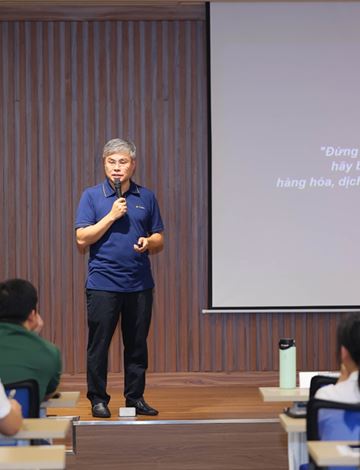
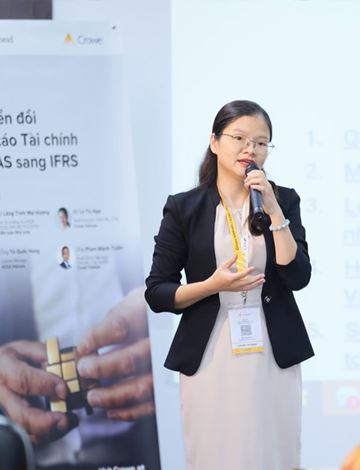
With the aim of delivering exceptional services to our clients, Crowe Vietnam regularly organizes in-person seminars and online webinars featuring insights from our experienced professionals and esteemed guest speakers.
Note: The seminar schedule below is subject to change.
International brand in Audit, Accounting, Tax, and Business Advisory
Top 9
Audit service provider for FDI enterprises in Vietnam
Top 15
Audit and Advisory service providers in Vietnam
18+
Years of operation (since 2008)
200+
Personnel (350+ including personnel of Crowe’s business associates in Vietnam)
4
Offices
1000+
Clients (1500+ including clients of Crowe’s business associates in Vietnam)
Crowe Vietnam Introduction Video
Why choose us for this service?
Choosing the right service partner is a key factor in ensuring both effectiveness and peace of mind. Here’s why Crowe Vietnam is the trusted choice for you.
International Brand
Crowe Vietnam is a full member of Crowe Global, a top 10 global network of audit, accounting, tax and advisory firms operating in 150 countries. Our international brand enables us to deliver high-quality business advisory services.
Assured Expertise
With a team of experienced professionals holding internationally and locally recognised qualifications such as ACCA, CPA, CTA, ICAEW,... Crowe Vietnam is committed to delivering business advisory services of outstanding professional quality.
Professional Services
Our clients regularly receive useful newsletters and publications, participate in professional seminars with experienced specialists, and access a range of modern, practical support tools developed and continuously enhanced by Crowe Vietnam.
Strict Confidentiality
Crowe Vietnam places the highest priority on confidentiality and compliance, applying rigorous control measures to protect client information and prevent data security risks, thereby ensuring maximum transparency and security.
Global Support
Through the Crowe Global network, we are always ready to help our business advisory service clients access international professionals & seconded personnel, providing comprehensive support to address complex issues in global business.
Reasonable Fees
Crowe Vietnam delivers high-quality business advisory solutions at reasonable fees, helping clients optimise costs. By continuously improving operational efficiency, we help clients achieve maximum value within an appropriate budget.