Are you looking for a trusted partner to support your organization in leveraging technology to enhance operational efficiency? Do you need expert consulting to successfully implement management systems such as ERP, CRM, or HRIS? Are you facing challenges in data security or cybersecurity, or seeking to harness the power of AI and data analytics to drive digital transformation?
Discover our relevant service packages below:
General Description of the Product and Service
The service is delivered by our experienced Professional Partners, who work alongside clients to help ensure that their information technology systems operate reliably and securely while optimising performance.
The service deliverables include system management and monitoring solutions, incident handling, periodic maintenance, hardware and software upgrades, as well as advisory on security and effective administration.
The ultimate objective is to help enterprises strengthen their technology capabilities, optimise operations, minimise risks and build a robust technology foundation to support long-term and sustainable development.
We are committed to delivering services that are consistent with the Crowe Vietnam brand identity that we have built and developed.
The service is delivered by our experienced Professional Partners, who work alongside clients to comprehensively assess the current condition of their IT systems, from infrastructure and software to cybersecurity and operational performance.
The deliverables of this service include detailed reports on system strengths and weaknesses, identification of potential risks, recommendations for improvement and an appropriate upgrade plan.
The ultimate objective is to help enterprises ensure that their IT systems operate securely and efficiently, while optimising technology resources to support sustainable development and enhance competitiveness.
We are committed to delivering services that are consistent with the Crowe Vietnam brand identity that we have built and developed.
Service Usage Context
Enterprises experiencing IT incidents or poor performance require a comprehensive assessment to identify root causes and appropriate remediation solutions.
Enterprises preparing to upgrade or expand their IT systems require a current-state review to help ensure smooth implementation without disrupting operations.
Enterprises seeking to assess the safety and security of their systems need to review and strengthen security controls to protect data and business operations.
Enterprises undergoing restructuring or mergers need to review their IT systems to help ensure successful integration and smooth operation across different systems.
Enterprises preparing for audits or regulatory compliance requirements need to review their systems to help ensure compliance with legal requirements and industry standards.
Process Description
Collect information from the client regarding the scope, objectives and expectations of the IT system review.
Perform a preliminary assessment of the system architecture, key components and issues previously encountered by the client.
Develop a review plan based on the client’s needs and relevant industry standards.
Identify specific areas to be reviewed, such as hardware infrastructure, software, cybersecurity, performance and regulatory compliance.
Conduct a comprehensive review of each component of the IT system, including:
Assess the integrity and performance of hardware and software.
Evaluate network security and risk prevention measures.
Assess the compatibility and effectiveness of applications and data.
Consolidate data from the review and analyse the system’s strengths and weaknesses.
Benchmark against relevant standards and leading practices to determine the level of optimisation and existing risks.
Provide the client with a detailed report on key findings, the priority of issues requiring resolution and opportunities for improvement.
Recommend remediation and IT system upgrade solutions to support long-term efficiency and security.
Service Timeline
The timeline for the "IT Audit Services" service will depend on the size, scope and complexity of the IT system to be reviewed.
Small and Medium-sized Enterprises (SMEs): The review and analysis of the entire system typically takes 1 to 3 weeks.
Large Enterprises or Complex Systems: The engagement may take 4 to 8 weeks or longer, particularly where detailed reviews of individual components such as networks, data and cybersecurity are required.
The specific timeline will be flexibly adjusted based on the client’s cooperation and particular review requirements, helping ensure accurate results and full achievement of the defined objectives.
General Description of the Product and Service
The service is delivered by our experienced Professional Partners, who work alongside enterprises to assess, develop and implement comprehensive security solutions tailored to their needs and business objectives.
The service deliverables include network security strategies, monitoring and incident response systems, encryption and data protection solutions, and procedures to ensure compliance with information security requirements.
The ultimate objective is to help enterprises build a secure information technology environment, maximise protection of critical data, strengthen trust among customers and business partners, and maintain stable and sustainable operations in a challenging digital environment.
We are committed to delivering services that are consistent with the brand identity of Crowe Vietnam that we have built and developed.
Service Usage Context
Small and Medium-sized Enterprises (SMEs) undergoing digital transformation face a range of cybersecurity risks and may not have sufficient internal resources to manage them.
Enterprises operating in sectors with high security requirements, such as finance, healthcare and technology, require comprehensive security solutions and compliance with information security standards to avoid legal risks and protect sensitive data.
Enterprises that have experienced or are at risk of cyberattacks need to assess and strengthen their cybersecurity systems.
Enterprises storing and processing large volumes of customer data require encryption and data protection solutions to safeguard customer information and strengthen trust and credibility among customers and business partners.
Enterprises preparing to expand internationally need to assess and adjust their security processes to comply with international regulations and minimise legal risks.
Process Description
Receive information on the client’s network systems, data and current issues.
Perform an overall assessment of the current security environment, identify potential risks and determine the enterprise’s specific needs.
Develop a detailed plan to assess cybersecurity and data systems.
Prepare a list of technology assets requiring protection and areas requiring priority attention.
Perform security testing, such as vulnerability scanning, penetration testing and data access control testing.
Analyse security threats, potential incidents and weaknesses within the system.
Provide network and data protection solutions, including:
Install firewalls, intrusion prevention software and encryption solutions.
Provide guidance on compliance with international security standards such as ISO 27001 and GDPR.
Support the installation and configuration of security tools and provide staff training on data protection procedures and risk handling.
Test the effectiveness of the solutions and make adjustments where necessary.
Provide the client with a detailed report on identified issues, implemented solutions and the level of security achieved.
Recommend long-term strategies and procedures to protect data and network systems more effectively in the future.
Service Timeline
The timeline for the "Cybersecurity and Data Protection Advisory Services" service will depend on the size of the system, the scope requiring protection and the complexity of the security requirements.
Typically, this service can be performed within 4 to 8 weeks, including the assessment, testing, recommendation and solution implementation stages. However, for large organisations or networks with complex architectures, the timeline may be longer to ensure effectiveness and comprehensiveness.
We will work closely with the enterprise to optimise the implementation timeline, ensure service progress and quality, and provide security solutions that best address the organisation’s current and future needs.
General Description of the Product and Service
The service is delivered by our experienced Professional Partners, who work alongside clients to implement the ERP system that best aligns with the enterprise’s business objectives and development strategy.
The deliverables of this service include solutions to optimise financial, production, human resources and supply chain management processes through the application of an ERP system. We also support the integration of data analytics and reporting tools to help enterprises improve operational efficiency and minimise errors.
The ultimate objective of this service is to help enterprises strengthen management capabilities, improve work efficiency and achieve greater flexibility in business decision-making, thereby establishing a solid foundation for long-term development and enhanced market competitiveness.
We are committed to delivering services that are consistent with the brand identity of Crowe Vietnam that we have built and developed.
Service Usage Context
Medium-sized and large enterprises facing challenges in managing multiple departments require ERP-based integration and optimisation of management processes.
Enterprises expanding their scale need to standardise processes through ERP implementation to operate more efficiently, minimise errors and strengthen internal controls.
Enterprises seeking to improve performance and reduce operating costs can automate and optimise processes through an ERP system.
Enterprises seeking to ensure regulatory compliance and strengthen risk management can use an ERP system to monitor and control processes and reduce business risks through accurate and timely information.
Process Description
Discuss with the client to clearly understand its ERP system needs and requirements.
Assess the existing information technology system and operational processes to identify weaknesses or gaps requiring improvement.
Based on the needs analysis and current system assessment, select the most appropriate ERP solution for the enterprise.
Recommend integration tools and implementation methods to maximise effectiveness for the enterprise.
Customise the ERP system to meet the client’s specific requirements, including tailored functionalities and processes.
Design reports and user interfaces appropriate to the enterprise’s needs.
Deploy the ERP system into the production environment and ensure stable operation of its functionalities.
Provide employee training on the use of the ERP system, from basic to advanced levels.
Test the entire ERP system to ensure that all functionalities and processes operate correctly.
Optimise the system to improve performance and minimise risks.
Evaluate the effectiveness of the ERP system after implementation against the initial objectives.
Provide the client with an implementation results report and further recommendations to optimise business processes, upgrade the system or improve identified weaknesses.
Service Timeline
The timeline for the ERP Advisory service may vary depending on the size of the enterprise, the complexity of the existing system and the specific functionality requirements of the ERP system.
Typically, ERP advisory and implementation may take 3 to 6 months, covering stages from needs analysis and system customisation to implementation and training. However, for large enterprises or systems requiring complex functionalities and integration with multiple technologies, implementation may take longer.
We will work closely with the client to help ensure that the service timeline and quality consistently achieve optimal results.
General Description of the Product and Service
The service is delivered by our experienced Professional Partners, who work alongside clients to develop and optimise customer relationship management (CRM) strategies, strengthening engagement between enterprises and their customers. We help clients select and implement appropriate CRM solutions, optimise interaction processes, enhance customer experience and create new sales opportunities.
The deliverables of this service include CRM implementation strategies, selection of the most appropriate CRM software, staff training and tools to improve customer management effectiveness.
The ultimate objective is to help enterprises develop long-term customer relationships, increase satisfaction and loyalty, thereby driving revenue growth and strengthening the foundation for sustainable business development.
We are committed to delivering services that are consistent with the brand identity of Crowe Vietnam that we have built and developed.
Service Usage Context
Enterprises seeking to enhance customer experience require solutions to optimise interaction processes, provide personalised services and increase customer satisfaction and loyalty.
Enterprises seeking to optimise customer management processes can automate processes and improve work efficiency, thereby saving time.
Enterprises seeking to improve sales capabilities and customer management need to select appropriate CRM software and train their teams to improve sales effectiveness.
Process Description
Discuss with the client to understand its business objectives, customer relationship management needs and current customer management issues.
Analyse existing data and processes to identify areas requiring improvement and optimisation.
Based on the information collected, analyse specific requirements and recommend a CRM solution aligned with the enterprise’s business strategy.
Identify key CRM functionalities required, such as customer information management, transaction history, marketing automation and reporting.
Support the client in selecting the most appropriate CRM software based on the enterprise’s functionalities, scale and specific characteristics.
Install and configure the CRM system, ensuring that the software works effectively with existing systems.
Train employees on the use of the CRM system, from entering customer data to using reporting, analytics and automation features.
Support employees in becoming familiar with and using CRM in their daily work.
Monitor the implementation and practical use of CRM, track system performance, and ensure that it operates without technical issues and meets user needs.
Make necessary adjustments to optimise CRM system operations, enhance functionalities and improve performance.
Provide the client with a detailed report on CRM implementation results, including its effectiveness in improving customer service quality, sales processes and customer care.
Recommend future CRM development and optimisation steps so that the enterprise can continue improving efficiency and maintaining competitiveness within its industry.
Service Timeline
The timeline for the "CRM Advisory" service will depend on the scale, nature and complexity of the CRM system to be implemented, as well as the client’s specific needs and requirements.
Typically, this service can be completed within 2 to 4 months. However, for large enterprises with substantial data volumes or complex processes, the timeline may be longer to ensure the accuracy and effectiveness of the CRM system.
We will work closely with the client to develop a detailed plan, optimise processes and accelerate implementation to achieve optimal and sustainable results.
General Description of the Product and Service
The service is delivered by our experienced Professional Partners, who work alongside clients to optimise human resources management processes through the application of information technology. We help enterprises develop and implement an HRIS aligned with workforce management needs, thereby improving work efficiency and employee engagement.
The deliverables of this service include HRIS assessment and solution advisory, implementation of human resources management software, and optimisation of recruitment, training, timekeeping and compensation processes.
The ultimate objective is to help enterprises achieve greater flexibility in human resources management, strengthen analytical and decision-making capabilities, and thereby improve operational efficiency and sustainable development in a competitive environment.
We are committed to delivering services that are consistent with the brand identity of Crowe Vietnam that we have built and developed.
Service Usage Context
Enterprises seeking to optimise human resources management need to improve recruitment, training, timekeeping and compensation processes, helping increase efficiency and minimise errors.
Enterprises seeking to enhance employee engagement and productivity can apply information technology to improve human resources management and create a more flexible and effective working environment.
Process Description
Discuss with the client to understand the enterprise’s requirements and objectives for the HRIS.
Assess existing human resources processes and identify issues, improvement opportunities and the enterprise’s specific needs.
Analyse the functional requirements of the HRIS in detail and recommend appropriate software and technology solutions.
Develop an HRIS design plan, including data structures, operational processes and functionalities required to support effective human resources management.
Install the HRIS and customise it to meet the enterprise’s specific requirements.
Integrate the HRIS with the enterprise’s existing software and systems, such as accounting software, ERP or other human resources management tools.
Develop user guides, implementation procedures and tools to support data migration from legacy systems.
Provide training for employees using the HRIS, including data entry, records management and data reporting skills.
Ensure that end users clearly understand how to use and fully utilise the HRIS functionalities.
Assess the performance of the HRIS after implementation and ensure that the system meets the enterprise’s requirements.
Collect feedback from users and relevant departments and optimise the system to improve efficiency and enhance functionalities based on actual needs.
Provide the client with an overview report on implementation progress, HRIS performance and achieved results.
Recommend further improvements, system optimisation and functionality expansion to support the enterprise’s sustainable development.
Service Timeline
The timeline for the "HRIS Advisory" service will depend on the scale, nature and complexity of the HRIS to be implemented, as well as the client’s specific needs and requirements.
Typically, this service can be completed within 2 to 4 months. However, for large enterprises with substantial data volumes or complex processes, the timeline may be longer to ensure the accuracy and effectiveness of the HRIS.
We will work closely with the client to develop a detailed plan, optimise processes and accelerate implementation to achieve optimal and sustainable results.
General Description of the Product and Service
The service is delivered by our experienced Professional Partners, who work alongside clients to develop and implement a digital transformation strategy aligned with the enterprise’s business objectives and sustainable development direction.
The deliverables of this service include advanced technology solutions such as ERP and CRM implementation, process automation and big data analytics, aimed at optimising internal operations and improving work efficiency.
The ultimate objective of the service is to help enterprises improve operating processes, enhance competitiveness and build a solid foundation for sustainable development in the digital era.
We are committed to delivering services that are consistent with the brand identity of Crowe Vietnam that we have built and developed.
Service Usage Context
Enterprises seeking to optimise processes and work efficiency need digital transformation to improve operating processes, increase productivity and reduce costs.
Enterprises seeking to enhance competitiveness need to adopt advanced technologies (ERP, CRM, automation and big data analytics) to keep pace with trends and maintain competitive advantage in the digital era.
Enterprises pursuing sustainable development need an appropriate digital transformation strategy to establish a solid foundation that supports long-term development and sustainable growth.
Process Description
Discuss with the client the enterprise’s specific needs and business objectives.
Assess the current technology environment and areas requiring improvement within the enterprise’s information technology systems.
Conduct an in-depth analysis of the enterprise’s existing processes and identify digital transformation opportunities.
Design a digital transformation strategy including a roadmap for adopting new technologies, optimising processes and improving work performance.
Advise on and recommend advanced technology solutions such as ERP, CRM, AI, data analytics and automation.
Implement systems and technologies aligned with the enterprise’s practical needs.
Provide in-depth training on new technologies and digital transformation processes.
Guide employees in using new technologies and help them adapt to changes in their work.
Provide the client with a detailed report on digital transformation progress, highlighting strengths and weaknesses during implementation.
Recommend necessary improvements and adjustments to optimise the system and support long-term sustainability.
Service Timeline
The timeline for the "Digital Transformation Advisory Services" service will depend on the scale, nature and complexity of the digital transformation project required by the enterprise.
Typically, this service can be completed within 3 to 6 months. However, for large enterprises requiring integration of multiple complex technology systems or comprehensive digital transformation across several areas, the timeline may be longer to ensure a smooth and effective transition.
We will work closely with the client to develop a detailed plan, optimise processes and adjust the timeline in line with specific business objectives and requirements, thereby achieving sustainable and long-term results.
General Description of the Product and Service
The service is delivered by our experienced Professional Partners, who work alongside clients to maximise the potential of their data, helping enterprises develop intelligent strategies based on in-depth analysis and advanced AI applications.
The deliverables of this service include advanced data analytics solutions, predictive models and process optimisation, helping enterprises better understand customer behaviour, forecast trends and make more accurate decisions.
The ultimate objective is to help enterprises achieve sustainable growth by optimising operational efficiency, minimising risks and enhancing competitiveness in an increasingly fast-changing market.
We are committed to delivering services that are consistent with the brand identity of Crowe Vietnam that we have built and developed.
Service Usage Context
Enterprises seeking to optimise processes and achieve sustainable growth need to leverage the potential of data to forecast trends, improve efficiency and make more accurate decisions.
Enterprises requiring customer behaviour and market trend analysis need to apply AI and data analytics to better understand customers, forecast demand and optimise business strategies.
Enterprises seeking to enhance competitiveness need to use AI and data analytics to minimise risks, develop intelligent strategies and maintain competitive advantage in a rapidly changing environment.
Process Description
Conduct surveys and collect information from the client to understand business objectives, current issues and opportunities to use AI and data analytics.
Assess data requirements and existing AI technologies within the enterprise.
Analyse existing data and available data sources within the enterprise.
Design appropriate data analytics models and AI solutions, and identify the required tools and technologies.
Implement data analytics and AI models in accordance with the designed plan.
Optimise the models to address needs relating to customer behaviour analysis, trend forecasting or process improvement.
Train the client’s employees on how to use and operate data analytics and AI tools.
Provide ongoing technical support to address issues arising during use.
Provide the client with a detailed report on implementation results and the effectiveness of the AI and data analytics models.
Provide strategic recommendations to help the enterprise continue optimising and developing AI applications in the future.
Service Timeline
The timeline for the "AI & Data Analytics Advisory Services" service will depend on the scale, nature and complexity of the project, as well as the client’s specific needs and requirements.
Typically, this service can be completed within 2 to 4 months. However, for enterprises with complex requirements or the need to integrate multiple data systems, the timeline may be longer.
We will work closely with the client to develop a detailed plan, optimise processes and accelerate implementation to achieve optimal and sustainable results.
General Description of the Product and Service
The service is delivered by our experienced Professional Partners, who work alongside clients to equip their employees with the knowledge and skills required for new technology solutions, helping optimise workflows and improve organisational effectiveness.
The deliverables of this service include in-depth training programmes on technology systems such as ERP, CRM and AI, as well as data analytics tools, together with training courses on cybersecurity and digital transformation.
Our objective is to help enterprises build a strong foundation of technology capabilities, optimise work performance and enhance competitiveness in an increasingly digitalised business environment, thereby contributing to sustainable development and long-term success.
We are committed to delivering services that are consistent with the brand identity of Crowe Vietnam that we have built and developed.
Service Usage Context
Enterprises seeking to strengthen the technology capabilities of their employees in new technology systems such as ERP, CRM, AI, data analytics and cybersecurity can optimise workflows and improve organisational effectiveness.
Enterprises undergoing digital transformation or implementing new technologies need to train employees to successfully adopt advanced technology tools and digital transformation initiatives, ensuring alignment between systems and processes across the enterprise.
Enterprises seeking to maintain competitiveness in a digitalised business environment.
Process Description
Collect information and gain a clear understanding of the client’s training objectives and the technology skills that need to be strengthened within the workforce.
Assess participants’ current proficiency and the specific technology requirements that the enterprise needs to apply.
Analyse training needs and identify technology topics and skills aligned with the enterprise’s objectives.
Design a detailed training programme, selecting appropriate teaching methods and delivery formats (in-person, online or blended).
Prepare learning materials, including theory and practical exercises aligned with the training programme.
Prepare learning support tools (for example, software, equipment and reference materials) so that participants can immediately apply their knowledge to practical work.
Conduct training sessions according to the agreed schedule, which may include theoretical instruction, practical exercises and workshops.
Guide participants in using new technologies, software and tools, while addressing questions throughout the training process.
After each session or at the end of the course, conduct tests and surveys to assess participants’ knowledge acquisition and understanding.
Collect feedback from participants and the client to improve training quality and adjust the programme to better reflect practical requirements and the enterprise’s specific characteristics.
Provide the client with a detailed report on training results, participant progress and programme effectiveness.
Recommend improvements for subsequent training courses to enhance effectiveness and address the enterprise’s technology development needs.
Service Timeline
The timeline for the "Technology Training & Coaching" service will depend on the scale, training objectives and complexity of the technologies involved.
Typically, this service may take 1 to 3 months, including theoretical and practical training sessions. For specialised programmes or advanced training requirements, the timeline may be longer.
We will work closely with the client to define a detailed and flexible training plan, helping ensure an effective training process and enabling participants to apply their knowledge to practical work quickly and smoothly.
General Description of the Product and Service
The Payroll platform is a comprehensive automation solution combining SaaS and BPO models, provided by Crowe Vietnam’s strategic partner. The cloud-based system provides end-to-end support fromtimekeeping integration and payroll calculation to Personal Income Tax (PIT) and social insurance management.
The solution provides detailed payroll reports and accurate, secure regulatory compliance records. Its objective is to help enterprises optimise operating costs, minimise the risk of manual errors and focus resources on core business activities.
With the HRM System solution, provided by Crowe Vietnam’s strategic partner, we offer a flexible cloud-based HRM platform that serves as a central hub for integrating and comprehensively managing human resources processes. Core functionalities include employee records management, timekeeping data integration, automated payroll calculation, contract management, and compliance with social insurance and Personal Income Tax (PIT) regulations. The solution operates seamlessly across both web and mobile application platforms, providing accurate management reports, optimised data security and the ability to access and process work anytime, anywhere.
The objective of the solution is to help enterprises optimise resource management processes, ensure accuracy and regulatory compliance, and enable enterprises to focus on core business activities through the flexibility and convenience of technology.
To prepare and send you a tailored quotation, we kindly request that you provide relevant information via our form and/or through an in-depth discussion. Based on the information collected, we will analyze your needs and specific requirements in order to:
Assess the feasibility of service delivery: Determine whether we can provide the requested service appropriately and at a guaranteed quality level.
Advise on optimal solutions: Recommend alternative solutions (if any) to help optimize efficiency and cost-effectiveness for your organization.
If we are able to support you, we will propose a reasonable fee based on:
An estimated workload of the engagement;
The level of professional expertise required from our team.
Estimated response time: The quotation process will be completed within 12 to 24 hours upon receiving your request.
1. How can data security and system protection be ensured?
To ensure data security and system protection, businesses need to implement a comprehensive security strategy, including appropriate technical measures, processes, and policies. Below are the key steps:
1. Develop a Data Security Policy
Identify critical data that needs protection.
Assign access permissions based on roles to limit viewing, editing, or deleting data.
Establish security policies for employees, including guidelines for data and device usage.
2. Implement Network Security Solutions
Firewall: Prevent unauthorized access to the system.
Intrusion Detection and Prevention Systems (IDS/IPS): Monitor and detect unusual activities.
VPN & Data Encryption: Protect data during transmission over the internet.
3. Control Access and User Authentication
Implement two-factor authentication (2FA) or multi-factor authentication (MFA).
Restrict access to only those who absolutely need it.
Adopt a Zero Trust approach, not trusting any user or device by default.
4. Regular Data Backups
Create automatic and periodic data backups on secure storage systems (cloud, dedicated servers, external drives).
Test data recovery capabilities to ensure restoration in case of incidents.
5. Regular Software Updates and Patching
Update operating systems, software, and security systems to address vulnerabilities.
Conduct periodic security audits to identify and fix issues promptly.
6. Protect Against Malware and Cyberattacks
Install antivirus software and anti-malware solutions.
Train employees to recognize phishing emails and other cyberattacks.
7. Monitor and Detect Threats
Use Security Information and Event Management (SIEM) systems to monitor unusual activities in the system.
Have a rapid response plan for security incidents.
8. Train Employees on Data Security
Guide employees on secure system usage.
Provide training on recognizing cyberattacks, securing emails, protecting passwords, and safeguarding personal data.
9. Regular Security Assessments and Testing
Conduct periodic security audits to identify weaknesses.
Perform penetration testing to evaluate resistance to attacks.
10. Comply with Security Standards and Regulations
Adopt security standards such as ISO 27001, GDPR, NIST, PCI-DSS to ensure compliance with international regulations.
Regularly update policies to align with changes in laws and technology.
System security and data protection rely not only on technology but also on the integration of people, processes, and robust policies. Businesses should invest in advanced security solutions and employee training to minimize the risk of data loss.
Our cybersecurity consulting services will help assess vulnerabilities, implement security solutions, encrypt data, protect against cyberattacks, and ensure compliance with security standards.
2. Do your services guarantee information confidentiality and security?
Yes. We are committed to strictly adhering to data protection and security standards in accordance with applicable regulations.
3. When should a business consider IT system management support services?
Businesses need IT system management support services in the following cases:
1. Unstable IT System Performance
Frequent errors, slowdowns, or interruptions occur.
System performance fails to meet operational demands.
2. Lack of Dedicated IT Personnel
No internal IT team or IT staff lack the expertise to manage complex systems.
Need external experts to optimize operations and maintenance.
3. Need to Upgrade or Expand IT Systems
Businesses want to upgrade IT infrastructure to meet growth demands.
Expand systems to support a larger user base or add new features.
4. Cybersecurity Issues and Risks
Experienced cyberattacks or suspect vulnerabilities in the system.
Need to implement advanced security measures to protect critical data.
5. Optimize IT Operating Costs
High system operating costs require optimization to reduce budget strain.
Transition from on-premise to cloud models to save costs and improve efficiency.
6. Ensure Compliance with IT Regulations and Policies
Need to comply with security standards and legal regulations for data management, such as GDPR, ISO 27001, etc.
Avoid legal risks related to data protection and privacy.
📌 IT system management support services help businesses operate stable, secure, and cost-optimized systems, thereby enhancing competitiveness. 🚀
4. What are the potential risks businesses may face during digital transformation?
Digital transformation brings many benefits, but businesses may also face the following risks:
1. High Investment Costs
Software, hardware, and IT infrastructure may require significant investment.
Costs for employee training and system maintenance can increase.
Without careful planning, it may create financial pressure for the business.
2. Employee Resistance
Employees may be unprepared or feel threatened by new technology.
Lack of training can reduce the effectiveness of system usage.
A corporate culture unprepared for change can cause delays.
3. Cybersecurity and Data Safety Risks
Cyberattacks, data leaks, or data loss may occur if security is not ensured.
The transformation process may create security vulnerabilities if not tightly controlled.
4. Ineffective Implementation
Choosing technology unsuitable for the business model.
Poor implementation plans leading to operational disruptions and revenue impacts.
Lack of expertise can prolong the transformation process and fail to meet expectations.
5. System Integration Challenges
Old and new systems may be incompatible, causing difficulties in data integration.
Need to integrate ERP, CRM, HRIS, accounting systems, etc. without disrupting operations.
6. Inability to Measure Effectiveness
Businesses lack clear KPI metrics to measure the effectiveness of digital transformation.
Without close monitoring, businesses may fail to fully leverage the benefits of new technology.
7. Lack of Long-Term Strategy
Many businesses implement piecemeal solutions without a comprehensive plan.
Lack of a clear digital transformation roadmap leads to wasted resources and failure to achieve desired outcomes.
5. Do small businesses need to undergo digital transformation?
Yes! Even small-scale businesses need digital transformation to increase operational efficiency, reduce costs, and enhance competitiveness.
Benefits of Digital Transformation for Small Businesses
Increase Work Efficiency
Implementing ERP, CRM, HRIS enhances the management of finances, customers, and human resources.
Using automation tools reduces manual tasks and saves time.
Reduce Operating Costs
Shifting from manual management to software reduces resource waste.
Cloud computing helps businesses save on IT infrastructure costs.
Increase Revenue and Expand Market Reach
Online sales, digital advertising, and AI-driven customer data analysis enable businesses to reach more customers.
Using digital marketing tools optimizes campaigns and boosts revenue.
Enhance Competitiveness
Digital transformation helps businesses adapt quickly to market changes.
Businesses can operate more flexibly, staying ahead of competitors.
Improve Customer Experience
Using chatbots, CRM, and AI data analytics to personalize services.
Better customer experience → increased retention and loyalty.
Digitize sales and marketing (websites, social media, digital advertising).
Train employees to use new technology.
6. When should a business outsource technology services instead of building in-house solutions?
The decision to outsource or develop an in-house IT system depends on various factors such as cost, team expertise, implementation speed, and security requirements. Below are situations where businesses should consider outsourcing to optimize efficiency.
1. When the business needs to focus on core operations
Outsource if: Technology is not a core competency (e.g., retail, logistics, manufacturing).
Develop in-house if: Technology is the primary competitive advantage (e.g., software companies, fintech, AI).
2. When the business lacks highly skilled IT personnel
Outsource if: There is no strong IT team and expertise is needed in areas like cybersecurity, AI, ERP, or Cloud.
Develop in-house if: The business has a skilled IT team capable of independently implementing and maintaining systems.
3. When the business wants to save costs
Outsource if: Outsourcing costs are lower than hiring and maintaining an in-house IT team.
Develop in-house if: The business can invest long-term in technology and wants full control over costs.
4. When rapid technology deployment is needed
Outsource if: The business wants to implement ERP, CRM, AI, or data security solutions quickly.
Develop in-house if: There is sufficient time and personnel to build systems from scratch.
5. When the business needs to ensure cybersecurity and legal compliance
Outsource if: Expertise is needed in security, cyberattack prevention, or compliance with GDPR, ISO 27001.
Develop in-house if: The business has an IT team with deep cybersecurity expertise capable of managing systems independently.
6. When adopting new technologies like AI, Blockchain, or IoT
Outsource if: The business wants to adopt new technologies but lacks the expertise and implementation experience.
Develop in-house if: The business aims to build proprietary technology and fully control the process.
7. When the business needs flexibility and rapid scalability
Outsource if: The business needs to scale systems quickly without hiring additional IT staff.
Develop in-house if: The business has a long-term plan and wants full control over the technology process.
Brand commitment
Crowe Vietnam is committed to building and delivering on its brand personality, with the goal of fostering trust and providing an exceptional experience throughout our journey with clients and partners.
High professional quality at a reasonable cost
Crowe Vietnam is committed to delivering high quality solutions and services at reasonable costs, ensuring an exceptional client experience. We consistently strive for differentiation and continuously enhance the professional capabilities of our team to best meet the evolving needs of our clients.
Professionalism
All our work is carried out meticulously and professionally, both in form and content. We maintain clear and detailed processes and guidelines to ensure efficient organization and execution. Work quality is always our top priority, strictly adhering to professional standards and best practices, while upholding the highest level of professional ethics.
Integrity and Kindness
Consistency between words and actions is a core principle at Crowe Vietnam. We are committed to delivering exactly what we declare or promise to our clients, partners, employees, and stakeholders. We uphold strong business ethics and always prioritize the common good, never compromising our commitments or harming others’ interests for personal gain.
Compliance
We are firmly committed to strict compliance with the law, and we absolutely refrain from any unlawful or fraudulent activities. We implement stringent and effective control measures to prevent and deter any misconduct, ensuring transparent operations and adherence to ethical standards.
Efficiency
We place a strong emphasis on efficiency and optimization in all our operations, aiming to achieve objectives using the most appropriate methods, timelines, and resources. We continuously improve our service delivery processes and actively apply technology including digitalization, artificial intelligence, and big data to enhance operational efficiency and deliver an exceptional client experience.
A portrait of our clients & business partners
We aspire to collaborate with clients and partners who are committed to:
Kindness
Being ethical towards clients, employees, and partners through honesty, transparency, and respect for the legitimate interests of all parties.
Legal Compliance
Adhering to all relevant business regulations, including licensing, accounting, taxation, mandatory insurance, labor, goods, and environmental requirements.
Sustainable Development
Balancing profitability with the long-term interests of the community. Building a brand founded on trust and respect from clients and society.
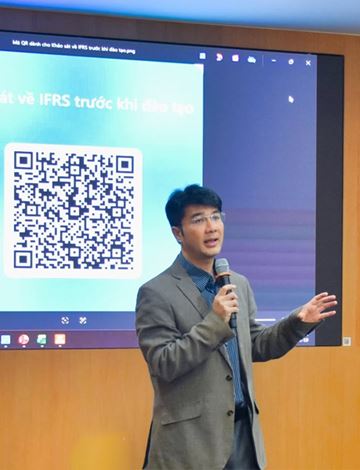
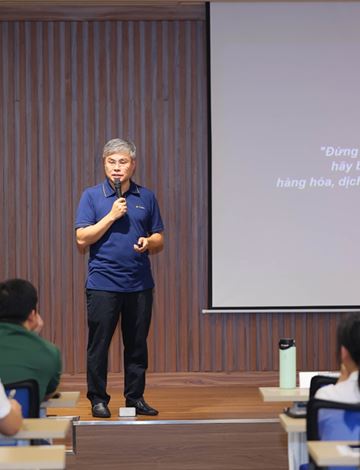
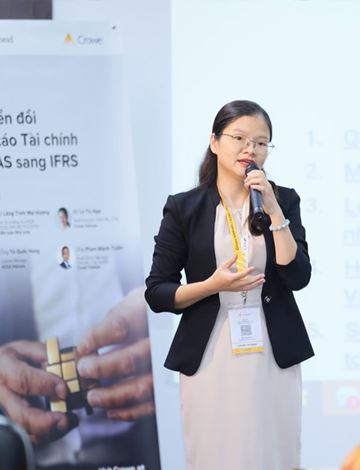
With the aim of delivering exceptional services to our clients, Crowe Vietnam regularly organizes in-person seminars and online webinars featuring insights from our experienced professionals and esteemed guest speakers.
Note: The seminar schedule below is subject to change.
International brand in Audit, Accounting, Tax, and Business Advisory
Top 9
Audit service provider for FDI enterprises in Vietnam
Top 15
Audit and Advisory service providers in Vietnam
18+
Years of operation (since 2008)
200+
Personnel (350+ including personnel of Crowe’s business associates in Vietnam)
4
Offices
1000+
Clients (1500+ including clients of Crowe’s business associates in Vietnam)
Crowe Vietnam Introduction Video
Why choose us for this service?
Choosing the right service partner is a key factor in ensuring both effectiveness and peace of mind. Here’s why Crowe Vietnam is the trusted choice for you.
International Brand
Crowe Vietnam is a full member of Crowe Global, a top 10 global network of audit, accounting, tax and advisory firms operating in 150 countries. Our international brand enables us to deliver high-quality business advisory services.
Assured Expertise
With a team of experienced professionals holding internationally and locally recognised qualifications such as ACCA, CPA, CTA, ICAEW,... Crowe Vietnam is committed to delivering business advisory services of outstanding professional quality.
Professional Services
Our clients regularly receive useful newsletters and publications, participate in professional seminars with experienced specialists, and access a range of modern, practical support tools developed and continuously enhanced by Crowe Vietnam.
Strict Confidentiality
Crowe Vietnam places the highest priority on confidentiality and compliance, applying rigorous control measures to protect client information and prevent data security risks, thereby ensuring maximum transparency and security.
Global Support
Through the Crowe Global network, we are always ready to help our business advisory service clients access international professionals & seconded personnel, providing comprehensive support to address complex issues in global business.
Reasonable Fees
Crowe Vietnam delivers high-quality business advisory solutions at reasonable fees, helping clients optimise costs. By continuously improving operational efficiency, we help clients achieve maximum value within an appropriate budget.