Are you looking for a trusted consulting partner to develop an effective human resource management strategy? Do you need support in optimizing workforce solutions, enhancing employee performance, creating a positive work environment? Or are you seeking a flexible HR strategy that enables you to attract and retain top talent, strengthen competitiveness, achieve sustainable business goals?
Discover our relevant service packages below:
General Description of Products and Services
With this service, our team of professionals supports clients in developing optimal human resource management strategies to enhance operational efficiency and build sustainable workforce capabilities for the enterprise. The deliverables of this service include recruitment strategies, employee training and development, performance evaluation systems, remuneration policies and solutions to optimise the working environment. Our ultimate objective is to help enterprises build a strong, engaged and dynamic workforce, thereby improving productivity, reducing costs and creating a solid foundation for long-term business development.
Service Usage Context
Newly established enterprises or enterprises undergoing restructuring need to build a human resource management system from the outset or revise HR policies to align with a new business model.
Enterprises seeking to optimise human resource management to improve operational efficiency and reduce HR costs.
Enterprises requiring human resource management solutions to strengthen employee engagement and motivation through the development of attractive remuneration policies and working environments, thereby enhancing engagement and workforce productivity.
Enterprises seeking to ensure legal compliance and optimise the working environment to create the best possible conditions for employee development.
Process Description
Discuss with the client to understand the characteristics of the enterprise, organisational culture, and the challenges and objectives relating to human resource management.
Analyse existing HR matters, including organisational structure, recruitment processes, training, performance evaluation and remuneration policies.
Assess the strengths and weaknesses of the current human resource management system and identify the strategic objectives the enterprise needs to achieve, such as improving recruitment processes, enhancing work performance or developing HR policies aligned with the long-term development strategy.
Develop specific human resource management solutions, including improvements to recruitment processes, employee training and development, the design of performance evaluation systems, and talent retention strategies.
These solutions will be tailored to the client’s specific characteristics and organisational culture.
Support the client in implementing the proposed solutions. This may include applying technology to support HR management, training HR managers and employees, developing performance evaluation tools, and implementing new policies.
Monitor and evaluate the effectiveness of newly implemented systems and processes.
Conduct surveys and collect feedback from employees and management to ensure that the changes meet the expected outcomes and objectives.
Make adjustments and optimise HR solutions to ensure that the system continues to respond promptly to changes in the enterprise’s needs and working environment.
Provide the client with a detailed report on the results of the human resource management solutions implemented, including an assessment of the effectiveness of the changed processes and systems, success indicators and improvements achieved, as well as recommendations for next steps where necessary.
Service Timeline
The timeline for the “Human Resource Management Advisory” service will depend on the scope of work, the complexity of the matters to be addressed and the client’s specific requirements.
Typically, this service may take from 1 to 3 months, depending on factors such as the size of the organisation, the number of matters to be addressed (recruitment, training, performance evaluation, organisational culture, etc.), and the level of coordination among relevant parties. Where complex projects are required or issues involve multiple functions within the organisation, the timeline may be longer. However, we are committed to adjusting the working process, allocating additional resources and requiring close cooperation from the client to complete the service efficiently and on schedule.
General Description of Products and Services
With this service, our team of professionals supports clients in implementing advanced technology solutions to optimise human resource management processes and enhance operational efficiency. The deliverables of this service include the application of HR management software, automation of recruitment, training, performance evaluation and timekeeping processes, as well as the integration of data analytics tools to support strategic decision-making. Our ultimate objective is to help enterprises save time, minimise errors, improve productivity and build a flexible and intelligent human resource management system, thereby creating a solid foundation for sustainable business development.
Service Usage Context
Enterprises undergoing expansion need to apply technology to automate and optimise HR processes, from recruitment and training to performance management, helping save time and minimise management errors.
Enterprises facing difficulties in managing HR data may encounter errors and inefficiencies when handling large volumes of HR data manually. This advisory service provides digitalisation solutions and integrates data analytics tools, helping enterprises manage HR information accurately and efficiently while supporting strategic decision-making.
Enterprises seeking to improve performance and reduce HR costs can automate HR processes to improve operational efficiency, optimise resources and focus more on strategic activities.
Enterprises seeking to strengthen analytical and decision-making capabilities can use HR data analytics tools to gain deeper insights into employee performance, workforce trends and emerging issues.
Process Description
Understand the enterprise, organisational model, business objectives, current human resource management processes and the technology tools currently in use.
Assess the human resource management objectives the enterprise seeks to achieve (for example, optimising recruitment processes, developing a training system, improving employee performance evaluation) and identify challenges in applying technology to HR management (for example, difficulties in managing HR data, a lack of automation in HR processes, etc.).
Review the HR management software and tools currently used by the enterprise and assess their integration and optimisation capabilities to meet the enterprise’s new requirements.
Recommend appropriate technology solutions, including tools for automating HR processes (recruitment, timekeeping, payroll), performance management software, Learning Management Systems (LMS), HR analytics software, and comprehensive Human Resource Management Systems (HRMS).
Develop a technology strategy for human resource management, including strategies to automate HR processes, optimise performance evaluation systems and apply data analytics tools to improve HR decision-making.
Prepare a detailed implementation plan covering the timeline, required tools, supporting resources and Key Performance Indicators (KPIs) to ensure successful technology implementation and achievement of the intended objectives.
Install, configure and integrate HR management software, HR process automation systems, data analytics tools and supporting platforms into the enterprise’s existing systems.
Ensure that employees are fully trained on how to use the new technology tools and systems, enabling them to make the most effective use of the solutions in their day-to-day work.
Monitor the strategies and technologies implemented, measure Key Performance Indicators (KPIs), and collect data and feedback from relevant functions to evaluate the effectiveness of technology solutions in human resource management.
Recommend adjustments to the strategy and technology to optimise outcomes and improve workforce performance and work processes.
Provide the client with a report on the results of applying technology to human resource management, improvement indicators and final deliverables such as user guidance for the technology tools implemented, as well as recommendations for future improvements.
Service Timeline
The timeline for the “HR Technology Advisory” service will depend on the scale, nature and scope of the technology solutions to be implemented, as well as the level of coordination from the client and relevant parties.
Typically, this service is completed within 2 to 4 months. However, for enterprises with special requirements or the need to integrate complex technology systems, the timeline may be longer. We will adjust the working process, allocate additional resources and require close coordination from the client to ensure timely completion and optimal results.
General Description of Products and Services
With this service, our team of professionals supports clients in developing appropriate HR solutions to optimise key workforce considerations in specific transactions such as mergers, acquisitions or business expansion. The deliverables of this service include developing an HR strategy for each specific transaction, analysing and assessing relevant HR factors, proposing reorganisation plans, and supporting the development of post-transaction HR policies. Our ultimate objective is to help enterprises ensure a smooth workforce transition, maintain organisational stability, optimise resources and create a solid foundation for sustainable development in each transaction.
Service Usage Context
Enterprises undertaking mergers or acquisitions (M&A) need to integrate two organisations with different cultures, policies and HR systems.
Enterprises expanding their business or entering new markets need to develop and adjust HR strategies to meet new requirements and prepare for growth needs.
Enterprises restructuring or reorganising operations need to develop reorganisation plans, recommend appropriate HR solutions, and help maintain employee morale and productivity.
Enterprises facing HR issues in specific transactions: strategic partnerships, joint ventures or franchising arrangements require appropriate HR solutions to optimise collaboration and operational effectiveness.
Process Description
Discuss with the client to understand the transaction context, relevant factors and the enterprise’s objectives for the transaction.
Understand the organisational structure, workforce, corporate culture and HR issues faced by the enterprise (for example, organisational changes, recruitment, changes in ownership, etc.).
Analyse the HR challenges the enterprise may face throughout the transaction process (such as post-merger workforce management, integration of corporate cultures, legal issues relating to employment contracts, etc.).
Analyse the impact of the transaction (M&A, merger, restructuring) on HR functions, from changes in organisational structure to adjustments to remuneration and benefit policies.
Analyse cultural differences among the parties involved in the transaction and develop strategies to address cultural issues, helping ensure effective integration and collaboration in the new environment.
Develop HR strategies appropriate to each stage of the transaction, including recruitment plans, training, retention of key personnel and suitable restructuring programmes.
Identify short-term HR solutions (for example, addressing workforce issues during the transition period) and long-term solutions (for example, developing remuneration policies and leadership capabilities for the new organisation).
Provide advice on legal issues relating to HR in the transaction, including employment contract terms, employee benefits, social insurance and legal matters relating to ownership transfers and workforce restructuring.
Support the client throughout the transaction process, including monitoring workforce integration, managing changes in organisational structure, and ensuring that key personnel are retained and developed within the new organisation.
Provide training programmes for employees and managers to help them adapt to organisational changes and the new corporate culture, while maintaining stability and work motivation.
Evaluate the impact of workforce changes on business performance and the sustainable development of the organisation.
Recommend adjustments to HR strategies to ensure that the organisation continues to operate effectively and achieves its long-term objectives.
Provide the client with a detailed report on the results of implementing HR solutions for the transaction, including performance indicators, issues resolved and outcomes achieved.
Service Timeline
The timeline for the “HR Advisory for Specific Transactions” service will depend on the nature and scope of each transaction, as well as the specific requirements of the client and relevant parties.
Typically, this service is completed within 1 to 3 months. However, for complex transactions or transactions requiring adjustments and optimisation of multiple HR processes, the timeline may be longer. We will adjust the working process, allocate additional resources and require close coordination from the client to ensure timely completion and the best possible results.
General Description of Products and Services
With this service, our team of professionals supports clients in strengthening human resource management capabilities, thereby optimising organisational effectiveness and enhancing employee engagement. The deliverables of this service include in-depth training programmes on recruitment management, employee development and performance evaluation, as well as leadership and change management skills. Our ultimate objective is to help enterprises build a strong HR management team, improve HR processes and create an effective working environment, thereby increasing productivity, reducing costs and promoting the organisation’s sustainable development.
Service Usage Context
Enterprises undergoing expansion need to effectively manage a larger workforce and ensure that recruitment, training and evaluation processes are optimally implemented.
Enterprises facing difficulties in human resource management such as low employee performance, weak team engagement or high employee turnover need to improve leadership and management skills, thereby creating a more positive and effective working environment.
Enterprises seeking to strengthen leadership capabilities: Enterprises seeking to develop future leaders to ensure sustainable growth need leadership development programmes. Training and coaching services help future managers better prepare for leadership roles within the organisation.
Enterprises seeking to strengthen employee engagement and corporate culture aim to improve employee satisfaction and commitment, contributing to the organisation’s sustainable development.
Process Description
Discuss with the client to understand the training objectives and the challenges the enterprise faces in developing and managing HR processes, such as recruitment, training, leadership development or employee performance management.
Understand the target participants (for example, senior leaders, HR managers, recruitment managers or HR personnel) and specific learning objectives in order to tailor the training programme to each participant group and the enterprise’s needs.
Analyse the areas in which the enterprise needs to improve its human resource management, such as recruitment, performance evaluation, leadership development, training management or corporate culture development.
Based on the analysis, design a training programme with in-depth content on topics such as recruitment strategy, leadership skills, employee training and development, performance management and other skills required in human resource management.
Prepare detailed training materials, including presentation slides, manuals, practical exercises and case studies to support participants in applying theory to practice.
Select the most effective and accessible training methods for participants, including theory, practical exercises, group discussions, workshops, simulations of real-life situations, etc.
Conduct in-person or online training sessions focusing on key human resource management topics such as recruitment strategy development, employee training and development, performance evaluation and leadership team development.
Group activities, practical experience sharing and the resolution of specific HR issues faced by the enterprise will take place throughout the course to help ensure that participants can apply the knowledge immediately after completing the programme.
Guide the client on how to monitor and measure participants’ progress in applying new skills and knowledge to their work.
After each session or at the end of the course, conduct tests and surveys to assess participants’ level of understanding and knowledge retention. Assessment methods may include practical exercises, tests or group projects.
Collect feedback from participants and the client to improve the quality of the training programme and adjust it to better suit the enterprise’s practical requirements and specific characteristics.
Provide the client with a detailed report on training results, including learning progress, participant feedback and effectiveness indicators (level of knowledge acquired, application to actual work and changes in work performance after training).
Based on the training results and the enterprise’s practical needs, recommend advanced training programmes or further solutions to continue improving and optimising human resource management processes within the enterprise.
Service Timeline
The timeline for the “Human Resource Management Training and Coaching” service will depend on the training scope, number of participants and the specific training topics required by the enterprise.
Typically, this service is completed within 2 to 4 weeks for short-term training courses. However, for in-depth training programmes or programmes involving multiple groups of participants at different levels, the timeline may be longer, ranging from 1 to 3 months. We will flexibly adjust the training schedule and allocate additional resources where necessary, while requiring close coordination from the client to ensure timely delivery and the highest training quality.
General Description of Products and Services
The Payroll Platform is a comprehensive automation solution combining SaaS and BPO models, provided by Crowe Vietnam’s strategic partner. The cloud-based system provides end-to-end support fromtimekeeping integration and payroll processing to Personal Income Tax (PIT) and social insurance management.
The solution provides detailed payroll reports and accurate, secure statutory compliance records. Its objective is to help enterprises optimise operating costs, minimise the risk of manual errors and focus resources on core business activities.
With the Human Resource Management System solution, provided by Crowe Vietnam’s strategic partner, we offer a flexible cloud-based HRM platform that serves as a central hub for integrating and comprehensively managing HR processes. Core functions include employee record management, timekeeping data integration, automated payroll processing, contract management, and compliance with social insurance and Personal Income Tax (PIT) regulations. The solution provides a fully integrated operating system across both web and mobile application platforms, delivering accurate management reports, optimised data security and the ability to access and process work anytime and anywhere.
The objective of the solution is to help enterprises optimise resource management processes, ensure accuracy and legal compliance, and focus on core business activities through the flexibility and convenience of technology.
To prepare and send you a tailored quotation, we kindly request that you provide relevant information via our form and/or through an in-depth discussion. Based on the information collected, we will analyze your needs and specific requirements in order to:
Assess the feasibility of service delivery: Determine whether we can provide the requested service appropriately and at a guaranteed quality level.
Advise on optimal solutions: Recommend alternative solutions (if any) to help optimize efficiency and cost-effectiveness for your organization.
If we are able to support you, we will propose a reasonable fee based on:
An estimated workload of the engagement;
The level of professional expertise required from our team.
Estimated response time: The quotation process will be completed within 12 to 24 hours upon receiving your request.
1. What are the benefits of engaging HR management consulting services?
When hiring HR management consulting services, businesses can gain numerous significant benefits, including:
Optimizing HR Strategy – Developing and aligning an HR management system with the business strategy, ensuring efficient utilization of human resources.
Enhancing Work Performance – Establishing performance evaluation systems (KPIs, OKRs) to maximize employee potential and contributions to the company’s overall goals.
Optimizing HR Costs – Helping businesses control payroll budgets, streamline management structures, and reduce operational costs while maintaining efficiency.
Improving Recruitment and Talent Retention – Assisting businesses in attracting high-quality talent, building an employer brand, and establishing policies to retain top performers.
Developing Fair Compensation and Benefits Policies – Designing market-competitive remuneration packages to motivate employees and ensure competitiveness.
Applying Technology to HR Management – Supporting businesses in implementing HRM software and automating HR processes to save time and improve management efficiency.
Ensuring Legal Compliance – Reviewing and advising on issues related to labor laws, employment contracts, insurance, and HR policies in accordance with legal regulations.
Enhancing Company Culture and Work Environment – Building a sustainable company culture to increase employee engagement and satisfaction.
Supporting HR Restructuring in M&A Transactions – Assessing human resources, managing change, and unifying HR management systems to ensure smooth merger processes.
Enhancing HR Management Capabilities – Providing training programs for leaders and HR teams to improve professional HR management and leadership skills.
Hiring HR management consulting services enables businesses to optimize resources, enhance competitiveness, and build a sustainable HR system for long-term development.
2. Can combine multiple HR consulting services at the same time?
Yes. We offer integrated solutions that enable businesses to align their HR management strategy with technology, processes, and overall business planning.
3. Can your firm help improve employee experience within our organization?
Yes, we provide solutions to enhance employee experience, thereby increasing satisfaction, engagement, and work performance. These solutions include:
1. Building a Positive Work Environment
Consulting on designing workspaces that encourage collaboration and creativity.
Fostering an open, transparent, and supportive company culture for employee development.
2. Improving Compensation and Benefits Policies
Designing competitive salary, bonus, and benefits packages tailored to employees’ needs.
Developing health support programs, insurance, and flexible benefits.
3. Applying Technology to HR Management
Implementing HRM software to enable employees to easily access information, manage work schedules, and communicate internally with efficiency.
Using technology to automate processes, reduce administrative workload, and allow employees to focus on core tasks.
4. Enhancing Recruitment and Onboarding Processes
Creating professional onboarding processes to help new employees quickly integrate and adapt to their roles.
Optimizing the recruitment experience, from candidate communication to evaluation and feedback processes.
5. Developing Career Growth Pathways
Designing training and skill development programs tailored to different employee groups.
Assisting businesses in creating clear career progression pathways to provide employees with long-term development direction.
6. Enhancing HR Management Skills for Leaders
Training management teams in leadership skills, inspiration, and employee motivation.
Supporting the development of a feedback culture, recognition of contributions, and conflict resolution within the business.
7. Evaluating and Measuring Employee Satisfaction
Conducting employee experience surveys, analyzing data, and providing improvement solutions.
Establishing a two-way feedback system to give employees a voice and contribute to improving the work environment.
By implementing these solutions, businesses can create a positive work environment, retain talent, and enhance the performance of their workforce.
4. How can businesses optimize their human resource costs?
Optimizing HR costs does not mean reducing staff but managing resources efficiently to boost productivity, minimize waste, and ensure sustainable growth. Below are strategies to help businesses optimize HR costs:
1. Restructuring the HR Framework
Reassessing HR Needs to eliminate redundant or overlapping roles.
Reorganizing Work Tasks, reallocating responsibilities to enhance efficiency without adding staff.
Adopting a Flexible Workforce Model, combining full-time, part-time, and freelance workers to reduce fixed costs.
2. Optimizing Payroll and Compensation Policies
Implementing a Pay-for-Performance (P4P) System, ensuring compensation is tied to work outcomes rather than fixed payments.
Redesigning Benefits Policies, focusing on key benefits like health insurance and training instead of less effective perks.
Enhancing Non-Financial Benefits, such as a positive work environment and career advancement opportunities, to retain talent without increasing costs.
3. Applying Technology to HR Management
Automating HR Processes, such as timekeeping, payroll, and contract management, to reduce administrative workload.
Implementing HRM Software to streamline performance tracking, recruitment, and employee training.
Using Online Training Technology (LMS) to save training costs while maintaining quality.
4. Enhancing Performance and Productivity
Establishing Clear KPIs and OKRs to measure employee performance effectively.
Training Soft and Technical Skills to improve employee efficiency and reduce the need for new hires.
Fostering a High-Performance Culture, motivating employees to maximize their potential without increasing headcount.
5. Optimizing Recruitment and Talent Retention
Leveraging Recruitment Technology, such as AI-supported resume screening, to save time and recruitment costs.
Developing Internal Talent, focusing on training and promoting from within to avoid costly external hiring.
Implementing Retention Policies to avoid hidden costs from employee turnover, such as loss of knowledge, new recruitment, and retraining.
6. Managing HR Costs Effectively During Volatile Periods
Flexibly Adjusting HR Plans in response to market changes, avoiding excessive hiring or overstaffing reductions.
Implementing a Hybrid Work Model to save office operational costs while maintaining performance.
Creating a Reasonable HR Budget, monitoring and adjusting HR costs based on business performance.
Conclusion
Optimizing HR costs is a long-term strategy that requires businesses to integrate technology, HR management strategies, and reasonable compensation policies. This approach not only reduces costs but also enhances operational efficiency and business competitiveness.
5. Why should companies adopt technology in HR management?
Applying technology to HR management helps businesses enhance management efficiency, optimize costs, and improve employee experience. Below are the key benefits:
Technology automates tasks such as timekeeping, payroll, contract management, and employee record management.
Minimizes errors from manual processes, increases accuracy, and saves time for the HR department.
2. Enhancing Work Performance
HRM (Human Resource Management) software enables real-time employee performance tracking, setting KPIs and OKRs, and transparently evaluating work efficiency.
Two-way feedback systems facilitate communication between managers and employees, contributing to improved work performance.
3. Improving Employee Experience
Technology enables employees to easily access information about salaries, benefits, work schedules, and career advancement opportunities.
Online training platforms (LMS – Learning Management System) allow employees to develop skills anytime, anywhere.
4. Optimizing Recruitment and Talent Retention
Smart recruitment technology, supported by AI, streamlines resume screening, candidate evaluation, and interview processes.
HR data analytics software helps predict turnover trends and propose solutions to retain talent.
6. What technologies should implement to optimize HR processes?
Human Resource Management Systems (HRMS)
Automate employee record management, time tracking, payroll, and benefits administration.
Popular platforms: SAP SuccessFactors, Workday, Oracle HCM.
Artificial Intelligence (AI) & Data Analytics
Support recruitment, performance evaluation, and workforce forecasting.
Tools: HireVue, Pymetrics.
Performance & Learning Management Software
Track KPIs, enable continuous feedback, and enhance employee development.
Tools: 15Five, Lattice, LinkedIn Learning.
Chatbot & HR Process Automation
Chatbots assist employees with inquiries on policies, compensation, and internal processes.
Examples: Paradox Olivia, HR Virtual Assistants.
Cloud-Based HR Technologies
Enable secure, flexible storage and access to HR data.
Platforms: Google Workspace, Microsoft 365.
Applicant Tracking Systems (ATS)
Streamline recruitment, automate CV screening, and schedule interviews.
Tools: Greenhouse, Lever, SmartRecruiters.
Time Attendance & Biometric Management Systems
Utilize fingerprint, facial recognition, or AI to ensure accurate attendance tracking.
Systems: BambooHR, Kronos.
Brand commitment
Crowe Vietnam is committed to building and delivering on its brand personality, with the goal of fostering trust and providing an exceptional experience throughout our journey with clients and partners.
High professional quality at a reasonable cost
Crowe Vietnam is committed to delivering high quality solutions and services at reasonable costs, ensuring an exceptional client experience. We consistently strive for differentiation and continuously enhance the professional capabilities of our team to best meet the evolving needs of our clients.
Professionalism
All our work is carried out meticulously and professionally, both in form and content. We maintain clear and detailed processes and guidelines to ensure efficient organization and execution. Work quality is always our top priority, strictly adhering to professional standards and best practices, while upholding the highest level of professional ethics.
Integrity and Kindness
Consistency between words and actions is a core principle at Crowe Vietnam. We are committed to delivering exactly what we declare or promise to our clients, partners, employees, and stakeholders. We uphold strong business ethics and always prioritize the common good, never compromising our commitments or harming others’ interests for personal gain.
Compliance
We are firmly committed to strict compliance with the law, and we absolutely refrain from any unlawful or fraudulent activities. We implement stringent and effective control measures to prevent and deter any misconduct, ensuring transparent operations and adherence to ethical standards.
Efficiency
We place a strong emphasis on efficiency and optimization in all our operations, aiming to achieve objectives using the most appropriate methods, timelines, and resources. We continuously improve our service delivery processes and actively apply technology including digitalization, artificial intelligence, and big data to enhance operational efficiency and deliver an exceptional client experience.
A portrait of our clients & business partners
We aspire to collaborate with clients and partners who are committed to:
Kindness
Being ethical towards clients, employees, and partners through honesty, transparency, and respect for the legitimate interests of all parties.
Legal Compliance
Adhering to all relevant business regulations, including licensing, accounting, taxation, mandatory insurance, labor, goods, and environmental requirements.
Sustainable Development
Balancing profitability with the long-term interests of the community. Building a brand founded on trust and respect from clients and society.
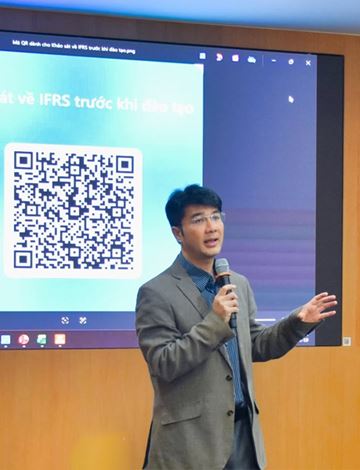
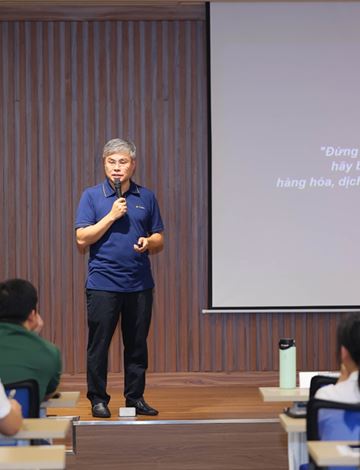
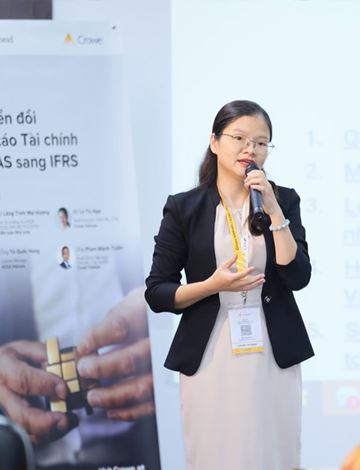
With the aim of delivering exceptional services to our clients, Crowe Vietnam regularly organizes in-person seminars and online webinars featuring insights from our experienced professionals and esteemed guest speakers.
Note: The seminar schedule below is subject to change.
International brand in Audit, Accounting, Tax, and Business Advisory
Top 9
Audit service provider for FDI enterprises in Vietnam
Top 15
Audit and Advisory service providers in Vietnam
18+
Years of operation (since 2008)
200+
Personnel (350+ including personnel of Crowe’s business associates in Vietnam)
4
Offices
1000+
Clients (1500+ including clients of Crowe’s business associates in Vietnam)
Crowe Vietnam Introduction Video
Why choose us for this service?
Choosing the right service partner is a key factor in ensuring both effectiveness and peace of mind. Here’s why Crowe Vietnam is the trusted choice for you.
International Brand
Crowe Vietnam is a full member of Crowe Global, a top 10 global network of audit, accounting, tax and advisory firms operating in 150 countries. Our international brand enables us to deliver high-quality business advisory services.
Assured Expertise
With a team of experienced professionals holding internationally and locally recognised qualifications such as ACCA, CPA, CTA, ICAEW,... Crowe Vietnam is committed to delivering business advisory services of outstanding professional quality.
Professional Services
Our clients regularly receive useful newsletters and publications, participate in professional seminars with experienced specialists, and access a range of modern, practical support tools developed and continuously enhanced by Crowe Vietnam.
Strict Confidentiality
Crowe Vietnam places the highest priority on confidentiality and compliance, applying rigorous control measures to protect client information and prevent data security risks, thereby ensuring maximum transparency and security.
Global Support
Through the Crowe Global network, we are always ready to help our business advisory service clients access international professionals & seconded personnel, providing comprehensive support to address complex issues in global business.
Reasonable Fees
Crowe Vietnam delivers high-quality business advisory solutions at reasonable fees, helping clients optimise costs. By continuously improving operational efficiency, we help clients achieve maximum value within an appropriate budget.