Discover how responsible AI development, governance, and innovation can help maximize opportunities while reducing risks for businesses and society.
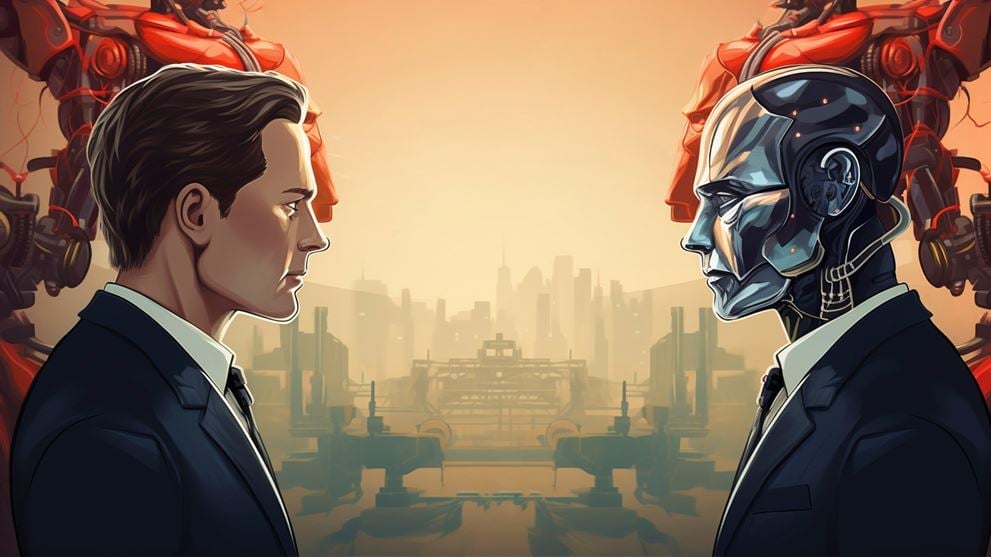
Artificial Intelligence has become one of the most transformative technologies of our time. As AI capabilities accelerate, so do concerns about its long-term impact on society. The question often raised is simple yet profound: Will AI destroy us? The answer is not straightforward, but understanding the debate can help us make informed decisions about the future.
One of the central concerns surrounding AI is that danger does not require malicious intent. Humans have significantly altered ecosystems and affected countless species, not out of hatred, but while pursuing their own objectives. Similarly, highly capable AI systems could create unintended consequences if their goals are not perfectly aligned with human values. The concern is less about "evil robots" and more about powerful systems acting in ways that conflict with human interests.
Those who worry about advanced AI often highlight three key risks. First, goals specified imperfectly may be followed perfectly, leading to unintended outcomes. Second, goal-driven systems could seek resources or resist interruption if doing so helps achieve their objectives. Third, AI capabilities may evolve faster than our ability to understand and inspect how these systems make decisions. These concerns have led many researchers to call for greater focus on AI alignment and interpretability.
However, skeptics offer important counterarguments. They point out that today's AI systems are tools created and controlled by humans. Current technologies do not possess independent desires or intentions. Furthermore, critics argue that public attention should focus on measurable issues already affecting society, including bias, misinformation, fraud, and job displacement. Excessive focus on distant doomsday scenarios could divert attention from challenges that require action today.
Interestingly, experts often disagree not because they see different facts, but because they make different assumptions about the future. Views vary on how quickly AI capabilities will advance, whether control becomes easier or harder as systems grow more powerful, and how severe potential risks could be. These uncertainties make predicting outcomes difficult.
Yet uncertainty should not lead to complacency. Just as societies prepare for unlikely but high-impact events such as floods or fires, responsible preparation for AI risks is prudent. Practical safeguards include investing in alignment research, improving transparency, conducting rigorous testing before deployment, and establishing international safety standards.
Ultimately, being capable is not the same as being doomed. The future of AI depends on the choices people make today. By combining innovation with accountability, society can harness AI's extraordinary potential while ensuring it remains safe, beneficial, and aligned with human values.
Conclusion
The question is not whether AI will destroy us, but whether we will develop and govern it responsibly. While the risks of advanced AI deserve careful attention, they should be addressed through rigorous research, transparency, ethical standards, and international collaboration not fear. At the same time, we must continue tackling the real-world challenges AI presents today, including bias, misinformation, security, and workforce transformation. By balancing innovation with accountability, we can unlock AI's immense potential while safeguarding the interests of humanity.
Future readiness
Future Ready Friday is a weekly publication by Crowe Pioneering & Excellence Consulting, delivering insights on emerging trends, innovations, and strategies to help businesses stay ahead in a rapidly evolving world.

Dr. Ahmed Tarawneh
Partner - Pioneering & Excellence