4 Benefits of Digital Transformation in the Steel Industry
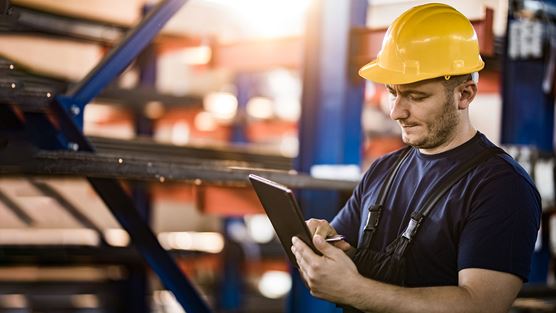
As the steel industry faces new customer expectations, constant price volatility, and ongoing supply chain disruption, many metals companies are turning to digital transformation to improve visibility, efficiency, and resilience. The Crowe “2025 Technology in Metals Survey Report” paints a clear picture of how vital technology investments have become for metals companies.
88% of all metals companies who responded to our survey plan to maintain or increase their technology investment with more than half (57%) of survey respondents planning an increase.
– Crowe, “2025 Technology in Metals Survey Report”
At the same time, while digital transformation in the steel industry is critical for building a more sustainable, confident future, achieving it is not as simple as throwing money at new technologies. With so many issues to solve and an overwhelming number of available technology solutions, it is tricky to know where to begin. Understanding the benefits and challenges of digital transformation can help.
Insights in your inbox
Discover how metals businesses are stepping into the future of the industry by subscribing to Metals 4.0.
What is digital transformation in the steel industry?
Digital transformation refers to the use of modern technologies, connected systems, and real-time data to improve how steel manufacturers operate, serve customers, manage costs, and respond to change.
Often referred to as Metals 4.0, digital transformation includes technologies such as cloud computing, AI, machine learning, business intelligence, predictive analytics, mobile functionality, and metals-specific enterprise resource planning (ERP) solutions. For steel companies, digital transformation means adopting new technology and using better information to make better decisions across the business.
What challenges do steel manufacturers face during digital transformation?
Steel manufacturers often face several challenges during digital transformation, including uncertainty about where to begin, the complexity of existing systems, cost concerns, and the need to choose technology that fits the specific requirements of the company.
Price volatility and supply chain disruption make transformation even more difficult. If a company does not have an accurate picture of raw material costs, inventory levels, production timelines, or customer requirements, it will be hard to know which technology investments might make the greatest impact. Understanding the business benefits of digital transformation can help leaders prioritize the right next steps.
What are the benefits of digital transformation for steel companies?
Industry 4.0 has seen technologies improve customer service and significantly cut costs while increasing opportunities to create new revenue streams and remaining agile in times of uncertainty.
New technologies can help steel companies gain a competitive advantage and navigate unpredictable environments. Following are four ways digital transformation is revolutionizing the steel industry.
Improved customer experience
Steel company customers expect an experience in which they engage on multiple platforms with clear expectations about their orders’ cost, timing, and quality. After all, many have their own customers who depend on predictable prices, time frames, and quality assurance for products and services.
If only it were as simple as communicating clear expectations. Unfortunately, with price volatility and supply chain disruptions plaguing nearly every industry, sharing accurate details and offering confident assurances can be difficult.
Managing customer expectations is difficult if a company can’t predict the cost of raw materials and doesn’t have an accurate picture of expected inventory levels. It’s only a matter of time before customers are frustrated or go elsewhere.
Digital transformation in the form of a metals-specific ERP solution offers business intelligence and predictive analytics to meet customer expectations with greater confidence. Business intelligence provides employees with valuable inventory, cost, and product trends, and predictive analytics uses algorithms and data modeling to forecast material costs, inventory, and projected timelines. With this kind of information available, it’s easier to meet customers’ needs.
Decreased costs
One benefit of digital transformation in the steel industry is the potential to decrease costs and increase profit margins. The corresponding challenge is that many in the business are already driving down costs with technology that can increase efficiency. If a company is not finding ways to save, someone else is.
Cloud-based ERP solutions can provide one unified solution that is updated and monitored in the cloud. As a result, teams don’t have to lose valuable time working with multiple systems, inputting information several times, or staying on top of reporting lag times. Instead, real-time data from one accurate, central source of truth can save time, money, and headaches.
Another benefit of using a cloud-based ERP solution is cost-saving mobile accessibility and functionality. Team members no longer have to be on the shop floor monitoring quality, production progress, and machine efficiency because they can see it all in real time through their mobile devices. Beyond mobile functionality, the operational analytics capabilities of an ERP system enable teams to monitor production efficiency and proactively mitigate unplanned, costly equipment downtime.
New revenue streams
The steel industry has been around for a long time, and many companies have depended on the same practices for years. Tried-and-tested methods allow metals companies to continue delivering quality products, which is a good thing, but it can also be a weakness.
Doing the same things that have delivered past success can lead to missed opportunities for innovation. The reality is that some metals companies will get left behind if they don’t explore new ways to work.
Advanced technologies are reshaping the metals value chain and the broader manufacturing ecosystem by introducing new levels of connectivity and data visibility. In such an environment, structural components, such as beams, pipes, or plates, can be equipped with embedded intelligence and enable them to relay real-time data on performance and end-use conditions back to engineers to support more informed design, maintenance, and life cycle decisions. This example is just one illustration of how technology can offer new revenue streams while providing customer confidence.
As customers’ needs change rapidly, new technology can open the door to opportunities for metals companies. Customers need experience, but they also need suppliers to stay ahead with new technologies to help them stay ahead in their marketplace, too.
Increased agility
Steel industry leaders have always known they need to be able to adapt and rethink how to do business based on potential for external supply chain disruptions. Constantly evolving tariffs, geopolitical uncertainty, and disruptive entrants to the market will always exist. The problem many metals companies can face is an inability to be flexible when a new opportunity arises – or worse, when volatility strikes.
Digital transformation in the steel industry can help companies address volatility with increased agility and adaptability. Companies migrating to cloud-based solutions might find it easier to scale up or down quickly compared to those with on-premises or homegrown systems.
If customers want to make changes in their product line or specifications, it’s essential to respond quickly. With a metals-specific ERP solution, it’s possible to input changes, update specifications, and retool machinery quicker than with many traditional systems. With increased mobile functionality, these tasks no longer have to be conducted on the shop floor.
Start your digital transformation with the right ERP strategy
The benefits of digital transformation in the steel industry are significant, but change can be a challenge. Knowing where to start is often the hardest step, and we can help make it easier.
At Crowe, our specialized metals ERP team has vast experience guiding companies in digital transformation. Let us help you get started today.
This article was originally published on Nov. 29, 2022, and was reviewed and updated.
Contact us



A Crowe specialist details how digital transformation in the steel industry improves customer experience, reduces costs, and increases agility.

Process mining can help metals companies address regulatory complexity, tariff impacts, and pricing volatility. A Crowe metals specialist explains.

A Crowe specialist explains how EDI can yield real efficiencies in the metals industry by cutting costs, reducing errors, and streamlining operations.
A Crowe specialist details how digital transformation in the steel industry improves customer experience, reduces costs, and increases agility.
Process mining can help metals companies address regulatory complexity, tariff impacts, and pricing volatility. A Crowe metals specialist explains.
A Crowe specialist explains how EDI can yield real efficiencies in the metals industry by cutting costs, reducing errors, and streamlining operations.