Managing Third-Party and Supply Chain Cybersecurity Risk
A Strategic Imperative for Modern Organizations
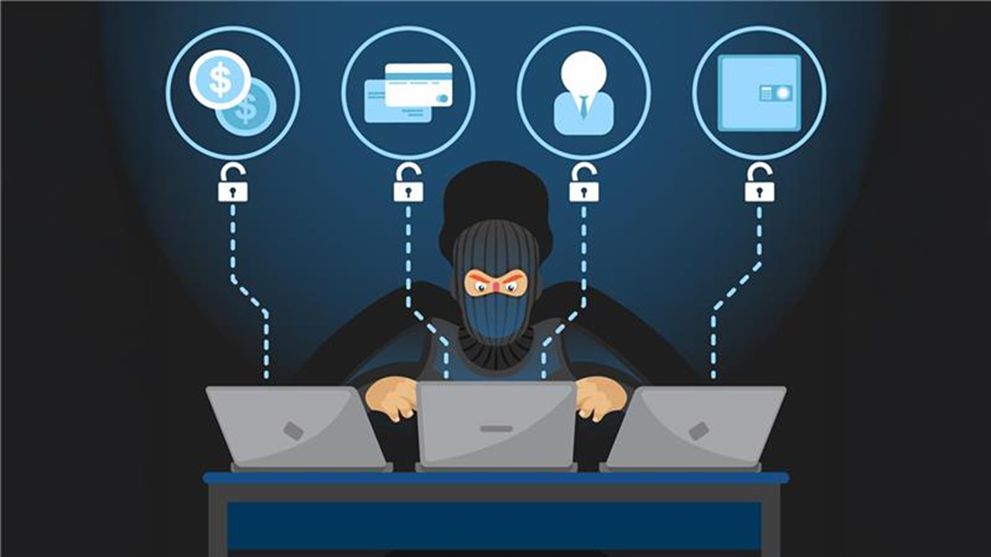
In today's highly connected digital environment, organizations rely on third-party vendors, cloud providers, technology partners, and service providers to support operations, innovation, and growth. While these partnerships deliver significant business benefits, they also introduce cybersecurity risks that often lie beyond an organization’s direct control. As cyber threats become more sophisticated, managing third-party and supply chain cybersecurity risk has become a strategic business priority.
Understanding Third-Party Cybersecurity Risk
Third-party cybersecurity risk arises when external organizations have access to an organization's systems, networks, data, or critical business processes. These third parties may include cloud service providers, software vendors, managed service providers, consultants, contractors, and outsourcing partners.
Every external connection creates a potential entry point for cybercriminals. A vendor with inadequate security controls may unintentionally expose sensitive data, introduce software vulnerabilities, or disrupt essential business operations. As organizations expand their digital ecosystems, the need for structured third-party risk management becomes increasingly important.
The Growing Threat of Supply Chain Attacks
Supply chain attacks have emerged as one of the most significant cybersecurity threats facing businesses today. Instead of attacking an organization directly, threat actors target trusted vendors, software providers, or service partners to gain access to multiple organizations through a single point of compromise.
- Compromised software updates containing malicious code.
- Unauthorized access to vendor accounts with privileged access.
- Exploitation of cloud service vulnerabilities or misconfigurations.
- Data breaches affecting third parties that store or process sensitive information.
These incidents demonstrate that an organization's cybersecurity resilience is closely linked to the security posture of its suppliers and partners.
Why Traditional Vendor Assessments Are No Longer Enough
Many organizations still rely on vendor questionnaires and annual assessments conducted during onboarding. While useful, these reviews provide only a snapshot of a vendor's security posture at a specific moment in time.
A vendor's risk profile can change rapidly due to new technologies, organizational restructuring, mergers, emerging cyber threats, regulatory changes, or security incidents. Consequently, organizations must move beyond periodic assessments and adopt continuous, risk-based monitoring to maintain visibility into evolving threats.
Key Elements of an Effective Third-Party Risk Management Program
Vendor Classification and Risk Assessment
Maintain an inventory of all vendors and classify them according to factors such as data sensitivity, system access, operational criticality, regulatory impact, and geographic location. This enables organizations to prioritize oversight based on risk.
Cybersecurity Due Diligence
Before engaging a vendor, assess its security governance, compliance certifications, incident response capabilities, vulnerability management processes, access controls, and data protection measures.
Contractual Security Requirements
Contracts should clearly define cybersecurity obligations, including security standards, incident notification timelines, audit rights, data protection requirements, and compliance expectations.
Continuous Monitoring
Risk management should be ongoing. Organizations should leverage security ratings, threat intelligence, breach monitoring, compliance assessments, and security posture reviews to identify emerging risks before they become significant incidents.
Third-Party Access Management
Applying the principle of least privilege is critical. Best practices include multi-factor authentication (MFA), privileged access management (PAM), network segmentation, time-limited access approvals, and regular access reviews.
Building Supply Chain Resilience
Although organizations cannot eliminate every cyber risk, they can strengthen resilience through proactive planning and collaboration.
Supplier Diversification: Reduce dependence on a single critical vendor by identifying alternative suppliers.
Integrated Incident Response: Establish joint escalation procedures, communication plans, and recovery expectations with key vendors.
Business Continuity Planning: Incorporate vendor-related disruptions and cyber incidents into continuity strategies.
Security Collaboration: Conduct regular risk reviews, security workshops, awareness initiatives, and threat intelligence sharing with partners.
The Role of Information Security Audits
Information Security Audits provide independent assurance regarding the effectiveness of third-party risk management programs. Auditors evaluate vendor governance, risk assessment methodologies, contractual compliance, monitoring practices, access controls, and incident response readiness.
Beyond compliance, audits should assess whether existing controls effectively reduce cyber risks and improve organizational resilience.
Looking Ahead
As cloud adoption, artificial intelligence, and digital transformation continue to reshape business operations, third-party risk management will become increasingly data-driven. Organizations are expected to leverage AI-powered risk analytics, automated monitoring, real-time threat intelligence, security posture scoring, and predictive risk assessments to detect vulnerabilities faster and improve decision-making.
Conclusion
Third-party and supply chain cybersecurity risks represent some of the most significant challenges facing modern organizations. Managing these risks requires more than periodic assessments. It demands continuous monitoring, strong governance, effective access controls, contractual accountability, and close collaboration with vendors. Organizations that take a proactive approach will strengthen cybersecurity, enhance operational resilience, support regulatory compliance, and build greater stakeholder trust in an increasingly interconnected digital world.
Technologoy Insights
Technology Tuesday brings you weekly insights on IT outsourcing, software solutions, cybersecurity, and IT governance. Our expert-driven content also covers IT advisory services, helping businesses navigate the evolving technology landscape with strategic solutions and best practices.